••
Coginta study finds foreigners sponsor 97% of Savanna illegal mining
•2 min read•1 source
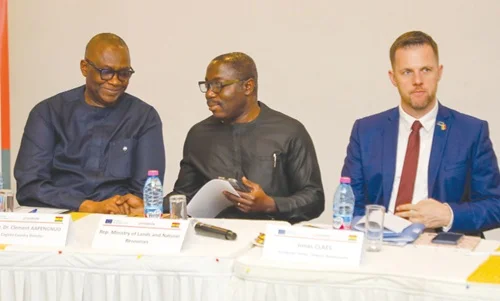
A new research study funded by the European Union (EU) has revealed that 97% of illegal mining operations in Ghana’s Savanna Region are conducted without valid licenses. The research, conducted by the non-governmental organisation Coginta, identifies foreign nationals from neighbouring West African countries as the primary sponsors and participants in these activities. Lead researcher Professor Ebenezer Owusu-Sekyere warned that the lack of regulatory oversight in the region has created a significant security and environmental vacuum that requires immediate national attention.
According to the findings, the influx of foreign miners includes individuals from Burkina Faso—specifically from the Mossi ethnic group—as well as operators from Nigeria, C4te d’Ivoire, and Mali. The study highlights that these foreign sponsors often control the financial flow of the operations, which are characterised by high-volume cash transactions. This reliance on informal financial systems makes it difficult for Ghanaian authorities to track the wealth generated or to implement standard taxation and environmental reclamation protocols.
The environmental impact documented in the study is severe, with researchers reporting high levels of soil contamination due to the use of heavy metals such as Cadmium and Mercury. Beyond the ecological damage, Professor Owusu-Sekyere emphasised the potential for these mining hubs to become breeding grounds for regional instability. Given the rise of violent extremism across the West African sub-region, the presence of unregulated, foreign-funded mining camps in the Savanna Region poses a direct threat to Ghana's national security and territorial integrity.
Despite the illegal nature of their current operations, the study found that many miners expressed a willingness to formalise their activities. They cited a lack of alternative economic opportunities and the complexity of the licensing process as primary barriers to legal mining. The researchers are now calling for a comprehensive policy overhaul that includes providing economic support for small-scale miners and strengthening regulatory presence in the northern regions to safeguard natural resources and community safety.