Business2 sources2 min read
COCOBOD recalls 143,916 litres of Natural Asontem liquid fertiliser
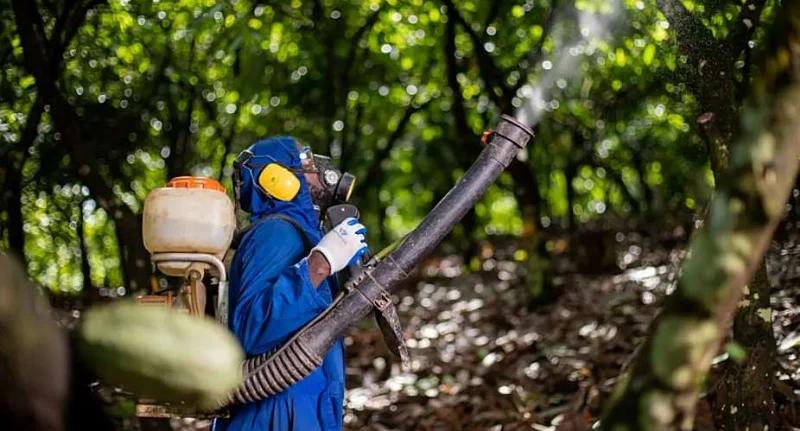
The Ghana Cocoa Board (COCOBOD) has initiated an immediate recall of 143,916 litres of Natural Asontem liquid fertiliser following reports of irregularities regarding expiry dates and product labelling. The recall was triggered after social media videos highlighted discrepancies in the packaging of fertilisers distributed to three districts in the Central Region. COCOBOD confirmed that the affected batch originated from its Spintex Warehouse, prompting an internal assessment to protect the integrity of the cocoa sector's input distribution system.
The fertiliser in question was part of a broader national productivity enhancement programme involving the distribution of approximately 1.6 million litres of liquid fertiliser. The supply contract for the Natural Asontem brand had been awarded to K. Badu Agro Chemical Ltd. While the regulator noted that products from other regional warehouses have not exhibited similar labelling issues, the investigation is currently focused on the specific supplies sent from the Spintex facility to Central Region farmers.
In response to the development, the Ghana National Cocoa Farmers Association has reported receiving formal complaints from its members. Association president Stephen Anane Boateng stated that around 10 farmers from various communities have already raised concerns about receiving allegedly expired stock. The association is working to document these claims and assist COCOBOD in identifying all affected farmers to ensure the suspect product is not applied to cocoa trees, which could potentially compromise crop yields.
COCOBOD has assured stakeholders that further investigations are ongoing to determine the root cause of the labelling errors and to verify the actual expiration status of the batch. The board has committed to providing regular updates as it works to retrieve the 143,916 litres and maintain farmer confidence in the government's agricultural support programmes. This incident highlights the critical role of stakeholder vigilance and digital feedback in monitoring the national agricultural supply chain.