••
Ghana Opens 2026/2027 Cocoa Season with Price Increase and GH¢16.3 Billion Financial Restructuring Plan
•3 min read•5 sources
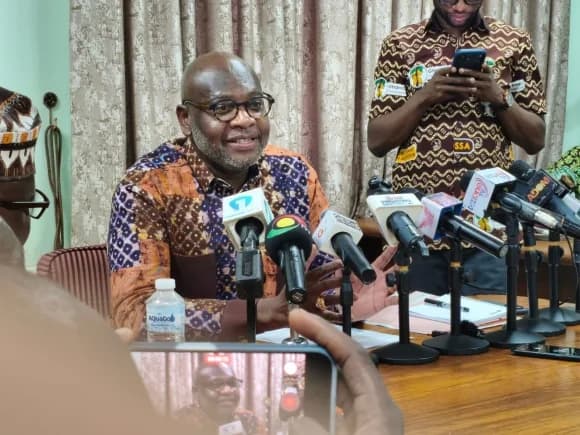
The Ghana Cocoa Board (COCOBOD) has officially launched the 2026/2027 cocoa season, announcing a producer price increase to GH¢42,400 per tonne, up from GH¢41,392 in the previous season. This adjustment sets the price for a 64-kilogram bag of cocoa at GH¢2,650, a move intended to enhance the livelihoods of farmers while ensuring the sector’s financial sustainability. Ransford Abbey, the Chief Executive of COCOBOD, noted that the new price represents 71.18% of the gross free-on-board (FOB) price, surpassing the 70% minimum mandated by the newly implemented Ghana Cocoa Board Act, 2026. However, the price hike has faced criticism from Minority Chief Whip Frank Annoh-Dompreh, who described the GH¢2,650 rate as disappointing and argued that cocoa farmers deserve better support under the current administration.
To support this new season and ensure liquidity for cocoa purchases, COCOBOD’s subsidiary, Cocoa Capital PLC, is launching a Domestic Cocoa Notes Programme to raise up to GH¢16.3 billion. This ambitious financing strategy includes GH¢14 billion in Commercial Paper to address immediate short-term liquidity needs and GH¢2.3 billion in medium-to-long-term bonds aimed at refinancing legacy debts. The programme, which has received approval from the Securities and Exchange Commission (SEC), is a cornerstone of the government's agenda to reset the cocoa sector. Repayment for these instruments will be secured by receivables from cocoa forward sales contracts, with major financial institutions like Absa and Stanbic Bank serving as bookrunners.
Beyond financial restructuring, the sector is also focusing on sustainability and social development within cocoa-growing communities. Cargill Ghana, in partnership with the International Cocoa Initiative, recently graduated 111 youth from a three-year vocational apprenticeship program in Debiso, Western North Region. These graduates, trained in trades such as auto mechanics and tailoring, were provided with start-up tools to foster sustainable livelihoods and reduce the prevalence of child labor in the industry. Additionally, COCOBOD has operationalized the Ghana Cocoa Traceability System to ensure compliance with the European Union’s Deforestation Regulation by the end of 2026, reinforcing Ghana's position in the global market.
As the 2026/2027 season progresses, COCOBOD plans to maintain its productivity enhancement programs, including the distribution of hybrid seedlings and fertilizers. The combination of legislative reform, aggressive domestic fundraising, and community-level social interventions signals a comprehensive attempt by the government to stabilize an industry that remains the backbone of Ghana’s economy. The success of these initiatives will be closely watched by international markets and domestic stakeholders alike, particularly as the country navigates the dual challenges of debt refinancing and environmental compliance.

