••
Climate x Culture Summit stakeholders urge sustainable event planning
•2 min read•1 source
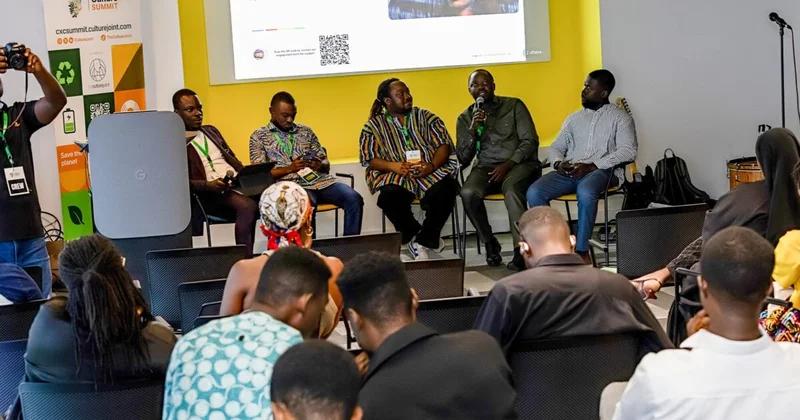
Stakeholders at the Climate x Culture Summit 2026 have called for Africa's creative and events industry to adopt environmentally sustainable practices that go beyond mere publicity. During the summit, industry leaders, environmentalists, and policymakers gathered to discuss the urgent need for tangible waste management and recycling solutions in event planning. The consensus was that the sector must move past "greenwashing"—the practice of making misleading claims about environmental friendliness—to implement measurable actions that reduce the carbon footprint of large-scale productions.
Peter Ansah, representing the Republic of Amusement, highlighted the prevalence of greenwashing in the industry, urging event organizers to prioritize real impact over promotional optics. He emphasized that the creative sector has a unique platform to lead by example, provided that sustainability is integrated into the core planning process rather than added as an afterthought. Joseph Zotoo from the OR Foundation supported this by sharing practical examples of circular economy concepts. These include innovative ways to manage materials used in event sets and branding, ensuring they are reused or recycled rather than ending up in landfills.
The discussions, moderated by Randy Walker, also explored the economic potential of climate action within the creative arts. Participants argued that adopting green practices is not just an environmental necessity but a pathway to new funding streams and economic opportunities. There was a specific call for corporate sponsors to rethink their engagement with the industry; instead of just funding traditional advertising, sponsors are being encouraged to directly finance sustainable infrastructure, such as improved plastic waste management systems at event venues.
Looking forward, the summit participants stressed that a fundamental cultural shift is required within creative organizations to make sustainability a permanent priority. They advocated for stronger collaboration between the private sector and policymakers to create frameworks that support green events. By leveraging the influence of the creative industry, stakeholders believe they can drive broader societal change, ensuring that Africa's vibrant culture and its environment are protected for future generations.