••
Clement Abas Apaak urges Ghana to build domestic digital infrastructure
•2 min read•1 source
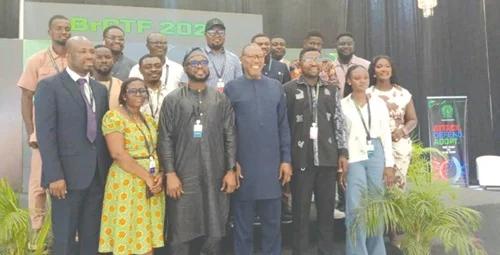
The Deputy Minister of Education, Dr. Clement Abas Apaak, has underscored the critical necessity for Ghana to develop and maintain its own digital infrastructure to safeguard national data and ensure true digital sovereignty. Speaking at the 2026 "Break the Code: Capture the Flag" (BrCTF) event held in Accra, Dr. Apaak warned that the nation’s current reliance on foreign-owned digital systems represents a significant vulnerability that could compromise sensitive information and national security. He noted that achieving digital independence is a fundamental requirement for building a modern, resilient economy in an increasingly connected world.
Dr. Apaak argued that while foreign technologies have facilitated rapid growth, owning the underlying systems allows the state to have greater control over its digital destiny. This push for domestic infrastructure is intended to provide a secure foundation for both government operations and private enterprise, reducing the risks associated with external disruptions or data breaches managed by entities outside Ghana’s jurisdiction. The Minister emphasized that without such autonomy, the nation remains susceptible to the strategic interests of foreign technology providers.
To support this vision, the Minister called for a transformative shift in the country's educational framework, advocating for a system that prioritizes practical cybersecurity competencies over traditional academic certifications. He emphasized that for Ghana to successfully build and manage its own infrastructure, the workforce must be equipped with hands-on technical skills that are applicable in both local and global markets. Dr. Apaak further encouraged the private sector to take an active role in talent development by creating dedicated internship programs and mentorship initiatives for young IT professionals.
The 2026 Break the Code event, a three-day intensive competition, brought together students and industry professionals to hone their skills in ethical hacking and digital defense. Supporting the Minister’s stance, Professor Smile Gavua Dzisi highlighted the importance of practical training for the next generation of cybersecurity experts. Felix Boateng, the Programme Lead of BrCTF, added that the competition aims to foster a robust community of ethical hackers capable of defending Ghana’s digital borders against increasingly sophisticated cyber threats, ensuring the nation's digital assets are protected by home-grown talent.


