••
Dr. Clement Apaak Advocates for Foundational Learning Partnerships as Over 2,500 Teachers Complete Play-Based Training Program
•2 min read•5 sources
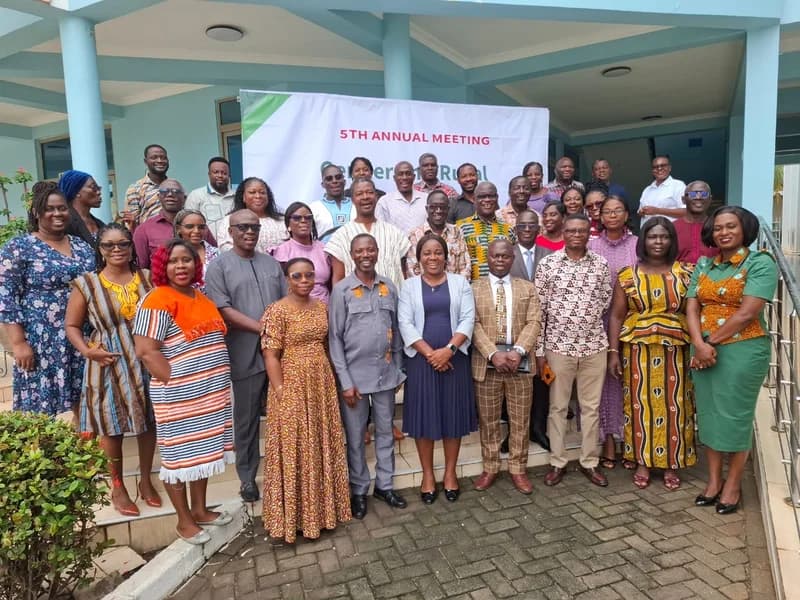
Ghana is intensifying its commitment to foundational education and teacher professionalism through strategic international partnerships and innovative training programs. Speaking at the 81st United Nations General Assembly (UNGA81), Deputy Minister for Education Dr. Clement Abas Apaak invited global organizations to support Ghana’s efforts in enhancing foundational learning, emphasizing that such investments are critical for long-term success and cost savings. This call for collaboration aligns with the recent success of a blended play-based learning initiative, where 2,565 teachers successfully completed a certification program designed to integrate play-based methods into the revised basic school curriculum. The teacher training program, a collaboration between Right To Play Ghana and the National Teaching Council (NTC), initially enrolled 4,455 educators across several districts. The initiative aims to equip teachers with the necessary skills to deliver the national curriculum more effectively, moving away from traditional rote learning toward more engaging, student-centered methods. Kwabena Gao of Right To Play and Dr. Issahaque Munawaru of the Ghana Education Service (GES) emphasized that such partnerships are vital for maintaining high standards of teacher professionalism and ensuring that classroom practices translate into improved learning outcomes for students. Beyond the classroom, Ghana is also addressing critical gaps in its rural advisory and extension services to ensure equitable knowledge sharing across the agricultural sector. At a recent multistakeholder forum in Koforidua organized by the Ministry of Food and Agriculture (MoFA) and CABI, officials addressed a significant gender disparity in access to advisory information. Despite women making up 52 percent of the agricultural workforce, they currently receive only 15 to 30 percent of available extension services. This forum, held from September 23 to 25, 2026, focused on the Gender and Rural Advisory Services (GRAS) initiative, seeking to leverage Information and Communication Technologies (ICT) to bridge this gap. These multi-sectoral initiatives reflect a broader national strategy to modernize service delivery through training, technology, and inclusive policy implementation. While the Ministry of Education focuses on foundational play-based learning to secure the country’s academic future, the Ministry of Food and Agriculture is working to integrate gender considerations into its outreach planning. Stakeholders across both sectors, including Peter Aboagye of WIAD and various education leaders, stressed that institutional commitment and ongoing follow-up are essential for these programs to move beyond policy and result in tangible improvements in the professional and economic lives of all Ghanaians.
Related topic
Ghana Education Service (GES): Latest News Today →

