••
CIPCC journalists explore Peking Opera heritage in Beijing
•2 min read•1 source
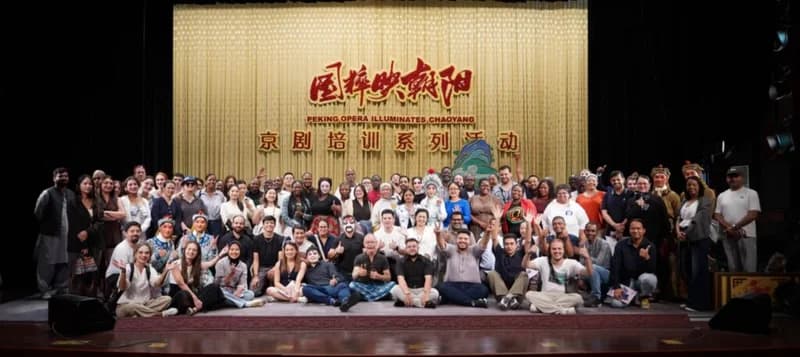
Journalists participating in the 2026 China International Press Communication Center (CIPCC) program gathered in Beijing for the 'Peking Opera Illuminates Chaoyang' event. This cultural exchange program offered media professionals an immersive look into one of China's most celebrated performing arts traditions, which is recognized by UNESCO as a Masterpiece of the Oral and Intangible Heritage of Humanity. The initiative serves as a bridge for foreign media to better understand the historical depth of Chinese theatrical arts.
During the event, the journalists explored the intricate history and technical requirements of Peking Opera through specialized costume exhibits and live demonstrations. The exhibition highlighted the various roles within the opera—Sheng (male), Dan (female), Jing (painted face), and Chou (clown)—each requiring specific makeup, costumes, and vocal styles. Participants learned about the symbolic meanings behind different colors and patterns used in the performers' attire, which communicate a character's status and personality to the audience.
The evening featured live performances that showcased the blend of singing, dancing, and martial arts that defines the art form. Organizers emphasized that while Peking Opera remains deeply rooted in historical narratives and traditional techniques, it continues to evolve by incorporating modern influences to remain relevant to contemporary audiences. The performances demonstrated the physical discipline required for the roles, illustrating the years of training undergone by the artists.
The 'Peking Opera Illuminates Chaoyang' event concluded with a group photo of the international media delegation, marking a moment of cultural dialogue. This engagement is part of the broader CIPCC program, which aims to foster deeper understanding between foreign media and Chinese cultural heritage. By providing journalists with firsthand experience of the country's efforts to preserve its traditional arts, the program facilitates a more nuanced perspective on China’s contemporary cultural landscape.