••
CIB Ghana trains bank managers to improve credit access for SMEs
•2 min read•2 sources
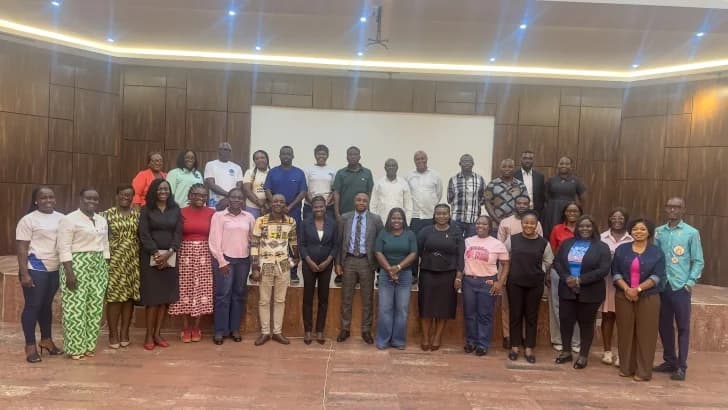
The Chartered Institute of Bankers, Ghana (CIB Ghana), in partnership with the Ghana Investment Support Programme (GhISP), has concluded a two-day capacity-building workshop in Accra aimed at improving financing for Small and Medium Enterprises (SMEs). Held on October 15 and 16, 2026, the training brought together portfolio managers from various banks across the country to address the persistent challenges associated with lending to underserved businesses. The initiative focuses on equipping financial institutions with the tools needed to unlock credit for SMEs, which often struggle to access capital due to inadequate formal documentation.
During the interactive sessions, participants explored innovative lending methodologies, with a particular emphasis on moving away from traditional collateral-based requirements toward cash-flow-based lending. By assessing business viability through actual cash flows and alternative performance indicators, banks can better evaluate the creditworthiness of enterprises that lack formal financial records. The workshop also prioritized inclusive product design and gender-smart finance, ensuring that financial products are tailored to meet the specific needs of women-led businesses and other marginalized groups within the SME sector.
Robert Dzato, the Chief Executive Officer of CIB Ghana, underscored the critical role that sustainable lending practices play in driving national economic growth. He emphasized that improving the quality of SME lending is not only a matter of financial inclusion but also a strategic necessity for the banking industry. The training also integrated climate-smart financing considerations, encouraging portfolio managers to incorporate environmental sustainability into their credit assessment frameworks. This holistic approach is intended to foster a more resilient and responsible SME ecosystem in Ghana.
The Accra workshop marks the beginning of a broader collaborative effort between CIB Ghana and GhISP to enhance the technical proficiency of banking professionals nationwide. Following the success of the capital city event, the organizers announced that a second training session is scheduled to take place in Kumasi in November 2026. These efforts are expected to create a more supportive financial environment for SMEs, enabling them to secure the necessary funding to scale operations and contribute more significantly to the Ghanaian economy.
