••
Alliance of Christian Apologists demands Larabanga Mosque removal from GH₵2 note
•2 min read•1 source
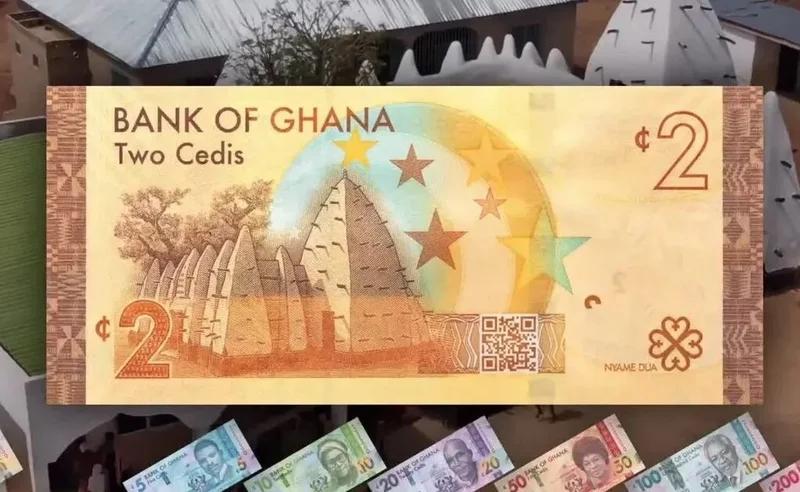
The Alliance of Christian Apologists in Ghana (ACAG) has formally petitioned the Bank of Ghana and the government to remove the Larabanga Mosque from the proposed GH₵2 banknote. The group's demand comes ahead of the scheduled circulation of the new currency, which is set to begin on December 1, 2026. According to the Alliance, the inclusion of the ancient mosque is inappropriate for a national currency intended to represent the entire population, specifically citing historical religious tensions within the Larabanga area as a primary reason for their opposition.
While the ACAG acknowledges the Larabanga Mosque’s significance as a notable piece of Islamic heritage and a historic landmark, they strongly oppose its use as a symbol of religious tolerance. The group argues that the community surrounding the mosque has a history of religious intolerance toward other faiths, which they believe contradicts the values the currency should project. They have urged the Central Bank to reconsider its design choices, suggesting that the Heritage Series should instead feature symbols that reflect Ghana’s collective progress in education, infrastructure, and general national development.
This latest challenge adds to a series of debates surrounding the Bank of Ghana's new Heritage Series of banknotes. Previous designs in the series have sparked discussions regarding the selection of historical figures and the regional balance of the landmarks depicted on the currency. As the public awaits a formal response from the Bank of Ghana, the petition by the Alliance of Christian Apologists highlights the delicate nature of cultural and religious representation on national symbols. The controversy underscores the ongoing dialogue about how Ghana's diverse history should be memorialized on its legal tender.