••
China's National Health Commission Expands Childcare Services and Subsidies to Address Declining Birth Rates
•2 min read•1 source
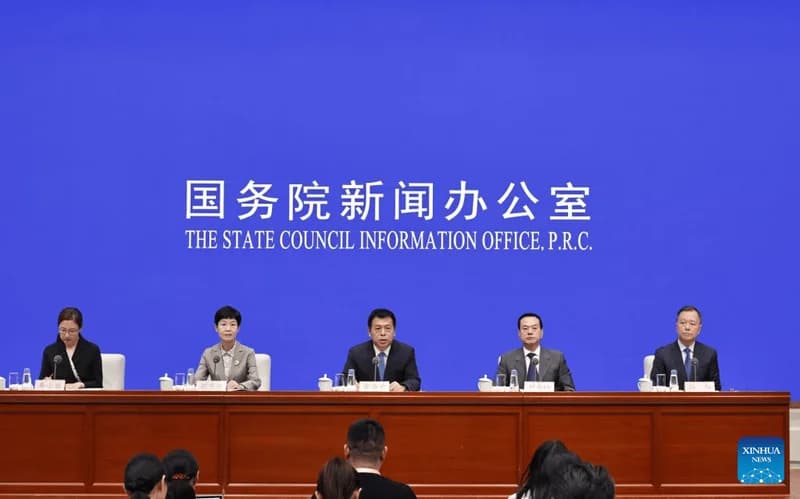
The Chinese government is intensifying efforts to build a "birth-friendly society" by implementing a suite of measures designed to make childcare more accessible and affordable. Lei Haichao, head of the National Health Commission, recently announced that the state will focus on integrating services at kindergartens and nursery centers to ease the financial and logistical burdens on families. These initiatives are a central component of China's strategy to stabilize population development and counter the challenges posed by a declining birth rate and an aging demographic.
A key pillar of this expansion is the significant upgrade of grassroots healthcare infrastructure. By the end of this year, 1,000 additional community health centers are expected to offer specialized pediatric services. This expansion aims to ensure that over 95% of township clinics across the country can provide relevant pediatric care. Furthermore, the National Health Commission is promoting the development of community-based childcare facilities and integrated services within workplaces, ensuring that parents can access support near their homes or places of employment.
To complement infrastructure improvements, the government has scaled up financial support through a robust maternity and childcare subsidy system. A nationwide childcare subsidy program, which provides tax-free assistance for families with children under the age of three, has already benefited over 25 million infants as of August 2025. Other financial incentives include expanded maternity insurance coverage, maternity allowances, and the waiving of fees for the final year of kindergarten for many children. These economic measures are specifically designed to reduce the cost of childrearing, which has been cited as a major deterrent for prospective parents.
These policy shifts are deeply rooted in China’s broader 15th Five-Year Plan, which prioritizes a balanced population development model. By enhancing the availability of nursery slots and pediatric care, authorities hope to create an environment where the transition to parenthood is more manageable for young families. As these services become more integrated into the daily lives of citizens, the government intends to continuously monitor the impact of these subsidies and infrastructure investments on national fertility trends and long-term demographic health.