••
Charlotte Norman calls for stronger climate risk management at COP31
•2 min read•1 source
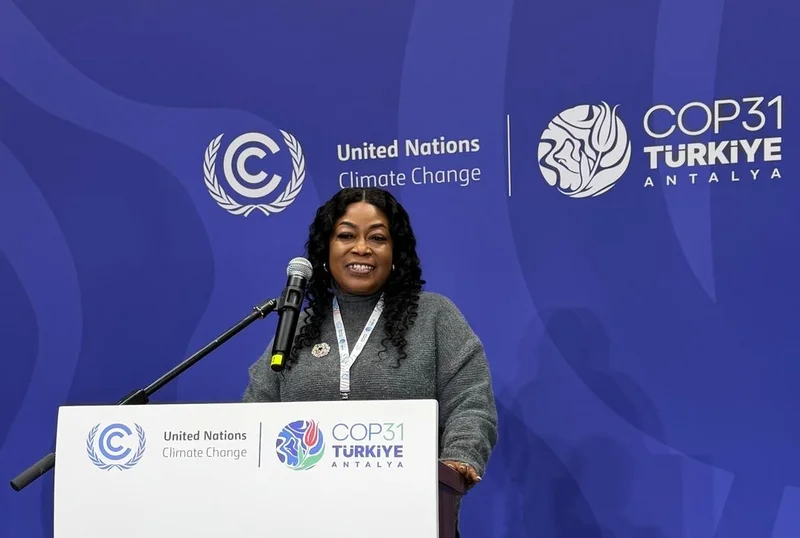
Charlotte Norman of the National Disaster Management Organisation (NADMO) has joined international climate experts at the COP31 summit in Antalya, Türkiye, to demand stronger national institutions and more reliable data to combat escalating climate risks. Speaking at the global conference, representatives from Ghana and Kazakhstan highlighted the urgent necessity for nations to move beyond reactive disaster responses toward proactive, locally driven adaptation strategies. The push for institutional reform comes as many countries face an increasing frequency of volatile weather patterns that threaten existing infrastructure.
Representing Ghana, Norman emphasized that the rising severity of storms and floods necessitates a fundamental shift in how the state approaches environmental threats. She argued that robust institutional frameworks and accurate climate data are the bedrock of managing these risks effectively. The experts collectively stressed that climate adaptation must no longer be treated as a secondary concern but should be integrated directly into national development planning. This integration ensures that resilience is built into the very fabric of public policy and infrastructure projects from their inception.
Alexandra Mussino of Kazakhstan echoed these sentiments, underscoring the importance of regional collaborations and strong institutions in updating and adapting development plans to meet current realities. The consensus among the contributors was that shifting from reactive to proactive measures is vital for protecting vulnerable populations and safeguarding economic gains. By anchoring climate risk management in institutional policy, the experts believe nations can better prepare for the unpredictable weather patterns that are increasingly disrupting socioeconomic stability across the globe.
The discussions at COP31 signal a growing push for locally driven adaptation, where solutions are tailored to the specific geographical and institutional contexts of individual nations. For Ghana, this involves strengthening NADMO’s capacity and enhancing data collection to predict and mitigate the impact of natural disasters before they occur. As the summit continues, the call for institutionalized climate management remains a focal point for delegates seeking sustainable and practical ways to address the global climate crisis.


