••
Jose Maria Neves faces first female candidate in Cape Verde election
•2 min read•2 sources
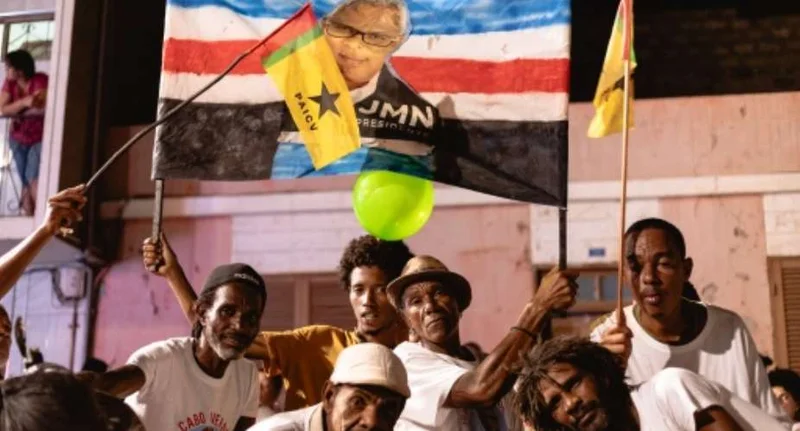
Voters in Cape Verde are preparing to head to the polls this Sunday for a presidential election that pits incumbent President Jose Maria Neves against Joana Rosa Amado. The election is being held in a climate of notable political stability, a hallmark of the island nation since its transition to a multi-party democracy in the 1990s. President Neves, representing the African Party for the Independence of Cape Verde (PAICV), is currently favored to secure a second term as he seeks to consolidate his administration's policies.
The contest is historic as Joana Rosa Amado, representing the Movement for Democracy (MpD), becomes the first female candidate to run for the presidency in Cape Verde. The campaign has centered on critical domestic issues, including the rising cost of living and the persistent challenge of youth unemployment. Both candidates have emphasized the need for sustained economic growth to support the nation’s burgeoning population and its significant diaspora, which now exceeds the number of residents living on the islands.
Cape Verde's economy remains heavily reliant on tourism, a sector that contributes approximately 25% of the national Gross Domestic Product. Classified as an upper-middle income country, the archipelago has leveraged its natural beauty and cultural heritage—famously associated with the late musician Cesaria Evora—to attract international investment and visitors. This year, the country also saw a boost in national pride following an impressive World Cup debut by its national football team, adding to the national atmosphere ahead of the vote.
As the election approaches, international observers view the process as a critical test for one of Africa’s most enduring democracies. While many neighboring West African nations have faced political upheaval, Cape Verde continues to demonstrate a commitment to strong governance and peaceful transitions of power. The outcome of Sunday’s vote will determine the islands' future direction as they navigate the complexities of economic development and the continued expansion of their service-based economy.
