••
Cape Coast Castle Museum gallery remains shut after seven years
•2 min read•2 sources
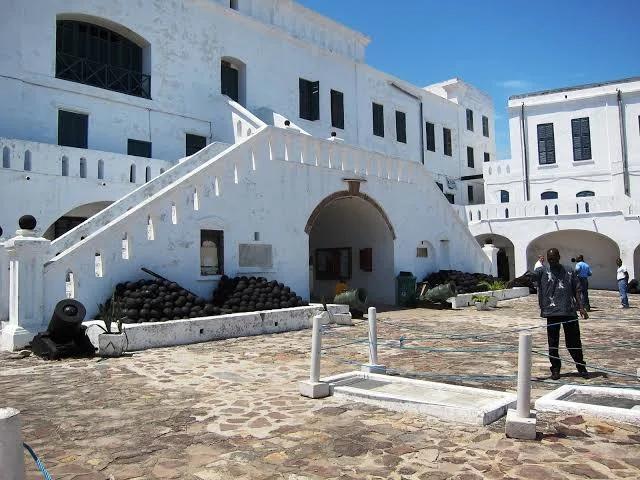
The main gallery of the Cape Coast Castle Museum has remained shut to the public for seven years, a prolonged closure attributed to severe structural dilapidation and extensive termite damage. Despite being a cornerstone of Ghana’s tourism and historical education, the facility has not undergone the necessary rehabilitation since it was originally closed during the COVID-19 pandemic. Authorities at the site warn that the continued inactivity of this critical attraction is depriving visitors of a full historical experience and causing a significant loss in potential tourism revenue.
The deterioration became particularly evident upon the attempted reopening of the site following the global health crisis. Inspections revealed that termites had caused substantial damage to the wooden structures and display areas within the main museum gallery, rendering it unsafe for the public. The Ghana Museums and Monuments Board (GMMB) has identified severe funding constraints as the primary barrier to restoration. In response, officials at the facility are advocating for the government to grant them permission to retain a portion of their operational revenue to fund immediate maintenance and rehabilitation needs.
This closure persists at a time when domestic tourism in Ghana is seeing a significant resurgence, with high growth recorded throughout 2025. As the museum’s Education Department prepares for an expected influx of visitors during the upcoming Christmas season, existing staff shortages and the reduced accessibility of the main exhibits pose challenges to providing a comprehensive tour experience. Stakeholders emphasize that restoring the gallery is essential not only for preserving Ghanaian history and culture but also for maximizing the economic potential of one of West Africa’s most visited historical landmarks.