••
Canada Imposes $28 Billion in US Tariffs Amid Rising Global Trade and Aviation Pressures
•2 min read•3 sources
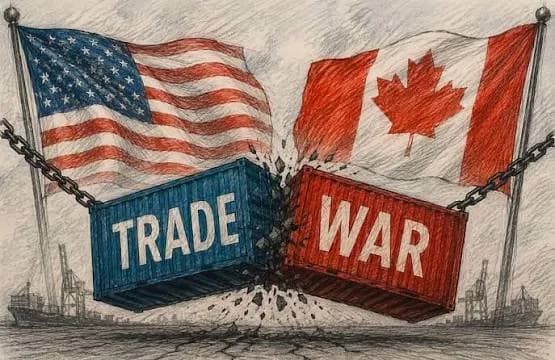
Canada has escalated trade tensions with the United States by imposing retaliatory tariffs on approximately $28 billion worth of American goods. Prime Minister Mark Carney characterized the move as a necessary defense of national sovereignty against what he described as unfair U.S. demands. The tariffs, which range from 15% to 50% and cover more than 700 products, mark a significant shift in North American trade relations, signaling Ottawa's intent to prioritize mutual respect over coercive negotiation tactics. This move follows a breakdown in high-level negotiations, highlighting the growing friction between the two neighbors.
To buffer the domestic impact of these measures, the Canadian government has announced a C$7.5 billion support package. This funding is specifically designed to assist workers and businesses likely to be affected by higher operational costs and rising retail prices resulting from the trade dispute. Economic experts warn that given the deep interdependence of the two nations, a prolonged conflict could expose structural vulnerabilities. They emphasize the importance of identifying diplomatic 'off-ramps' to return to a rules-based relationship, ensuring that the pursuit of fair trade does not place an undue burden on Canadian consumers or the broader economy.
In the aviation sector, international and domestic pressures are also mounting. Singapore’s Transport Minister Jeffrey Siow recently defended Singapore Airlines' 25.1% investment in Air India, framing the decision as a strategic necessity for growth beyond Singapore's limited domestic market. Despite Air India’s current financial losses during its ongoing turnaround phase, Siow clarified that the investment was an independent decision by the publicly listed company. He noted that the move does not require additional shareholder capital and will not negatively impact current operations for Singaporean travelers, although he acknowledged public scrutiny regarding the long-term returns on overseas investments.
Meanwhile, in Ghana, the rising cost of domestic travel has become a point of public contention. Local musician Keche Joshua has voiced significant frustration over domestic flight fares, which have reportedly surged to between GH¢5,000 and GH¢6,000 for routes such as Accra to Kumasi or Takoradi. Criticizing both the price hikes and the quality of onboard service, the artist's social media commentary highlights a broader trend of consumer dissatisfaction with inflation in the transport sector. These developments, from international trade wars to soaring domestic travel costs, underscore a period of significant economic adjustment for both global markets and local consumers.