••
Canada-Funded GROW 2 Project Concludes After Empowering Over 52,000 Women Farmers in Northern Ghana
•2 min read•2 sources
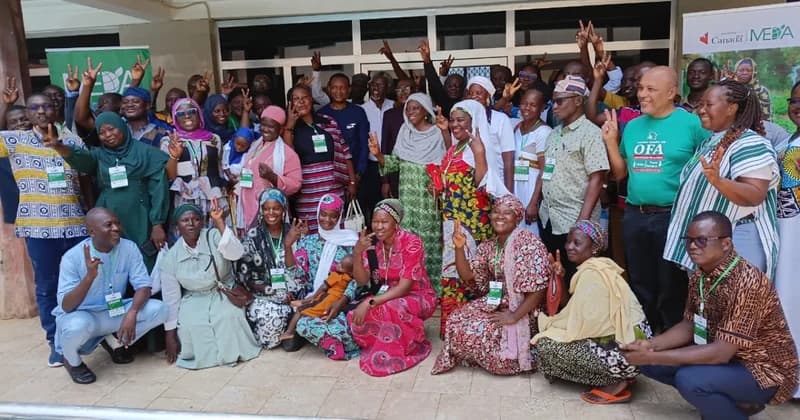
The Greater Rural Opportunities for Women (GROW 2) project has successfully concluded its primary implementation phase, marking a significant milestone in the agricultural transformation of Northern Ghana. Funded by a $25 million investment from the Canadian government and implemented by Mennonite Economic Development Associates (MEDA), the initiative surpassed its original targets by reaching over 52,000 women smallholder farmers across 27 districts. By focusing on critical value chains such as soybean and groundnut, the project effectively addressed systemic barriers to climate resilience and market access, providing a blueprint for inclusive rural development.
Beyond direct farming support, GROW 2 fostered a robust entrepreneurial ecosystem by assisting 5,000 micro-entrepreneurs and 61 small and medium-sized enterprises (SMEs), 59 percent of which are women-owned. Technological adoption was a cornerstone of the project's strategy, with more than 25,000 women successfully integrating new agricultural technologies into their operations. Infrastructure developments were equally vital, including the construction of 35 solar-powered irrigation boreholes and the provision of improved seeds, processing equipment, and transport facilities to help farmers scale their productivity despite environmental challenges.
During a recent close-out ceremony in Tamale, local leaders and project officials emphasized the lasting impact of these interventions. Tamale Mayor Abu Takoro hailed GROW 2 as a definitive model for inclusive growth and women’s empowerment, noting that the Northern Region alone accounted for approximately 43 percent of the beneficiaries, totaling some 21,000 farmers. Francis Essuman, the GROW 2 Country Manager, highlighted that the project’s success was rooted in its ability to involve both men and women in the sustainability process, ensuring that the progress made in financial inclusion and food security continues beyond the project's formal lifecycle.
As the initiative transitions from active implementation to local management, stakeholders are calling for the preservation of the networks and cooperative structures established over the last several years. The emphasis now shifts to local communities and district assemblies to maintain the solar-powered irrigation systems and market links. This transition is seen as vital for sustaining the gains in women's economic independence and ensuring that the northern agricultural sector remains a resilient pillar of Ghana’s national development strategy.