••
Andy Burnham commits UK to formal talks on slave trade apology
•2 min read•1 source
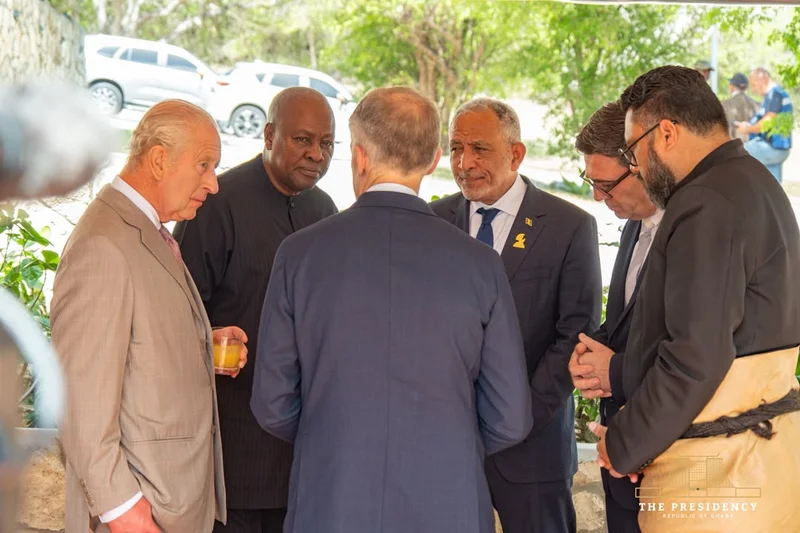
The United Kingdom government has committed to engaging in "time-bound" and formal discussions regarding a potential apology for its historical role in the transatlantic slave trade. This significant shift in diplomatic policy was announced during the Commonwealth Heads of Government Meeting (CHOGM) held in Antigua. While British Prime Minister Andy Burnham indicated a willingness to address historical grievances through structured dialogue, he explicitly stated that financial reparations remain excluded from the current agenda.
The decision follows mounting pressure from Commonwealth leaders who have called for greater accountability and formal recognition of colonial-era atrocities. The upcoming year is expected to focus on these structured negotiations, aiming for a resolution that acknowledges the past while maintaining modern diplomatic ties. Burnham’s administration has emphasized that while the UK is open to a formal apology, the focus will remain on moral and symbolic recognition rather than direct monetary compensation.
Ghana has been a prominent voice in these discussions, with its delegation at the summit emphasizing the need for comprehensive dialogue that goes beyond mere symbolism. Ghanaian officials have advocated for a framework that provides substantive support and addresses the long-term developmental impacts of the slave trade on African nations. This perspective highlights a continuing tension between the UK’s refusal to consider financial reparations and the expectations of former colonies seeking tangible redress.
As the formal negotiations begin over the next year, the process is intended to provide a platform for historical correction and the expression of long-held grievances. The international community will be monitoring these talks closely to see if a consensus can be reached that satisfies all parties. However, the exclusion of financial settlements is likely to remain a core point of contention as African and Caribbean nations push for a more holistic approach to reconciliation.