••
Bududa landslide survivors petition UN for relocation and compensation
•2 min read•2 sources
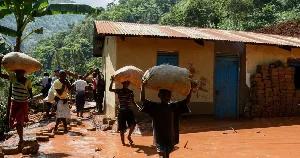
A group of 48 survivors from the 2019 landslide in Uganda’s Bududa district has officially petitioned the United Nations Human Rights Committee, seeking justice for what they describe as government negligence. The complainants are demanding immediate relocation and financial compensation, alleging that the Ugandan government failed to implement effective disaster management strategies to protect residents from predictable climate-related hazards. This legal move follows years of frustration over the state's handling of the disaster-prone region in eastern Uganda.
The 2019 landslide was a devastating event that resulted in more than 50 fatalities and displaced hundreds of families. In their petition, the survivors argue that the government has breached its constitutional obligations by failing to secure the lives and properties of citizens living in high-risk areas. Despite Bududa’s well-documented history of soil instability and frequent landslides, the petitioners claim that authorities have not provided adequate safety measures or a viable long-term resettlement plan for those at risk.
The survivors specifically highlight that existing government resettlement efforts are insufficient and do not meet the scale of the crisis facing the affected population. Many of the petitioners lost not only their homes but also their primary means of livelihood and close relatives in the disaster. They contend that as heavy rains continue to batter the mountainous region, they remain in constant danger. By taking their case to the UN, they hope to compel the state to provide more comprehensive support and a permanent move to safer ground.
Legal experts and environmental activists suggest that this case could have significant implications beyond Uganda's borders. As climate-driven disasters become increasingly frequent and severe across the continent, the UN Human Rights Committee’s consideration of this case may set a global precedent for how governments are held accountable for climate adaptation and disaster preparedness. The outcome will likely influence future claims from vulnerable communities worldwide who are seeking state-led protection from environmental crises.