••
British healthcare worker tests positive for Ebola in DR Congo
•2 min read•2 sources
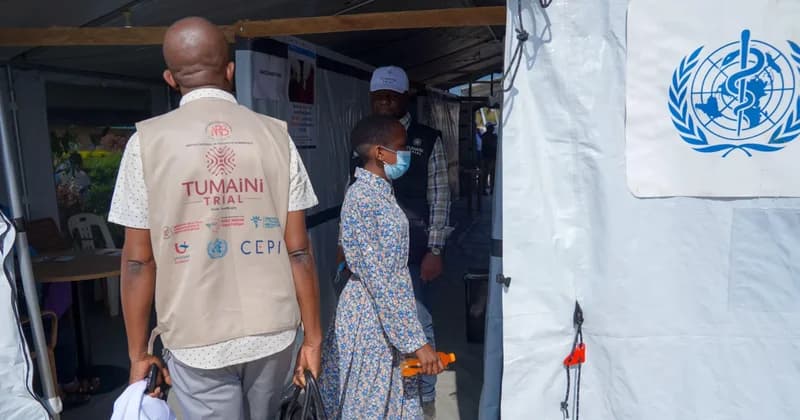
A British national working as a healthcare worker has tested positive for the Ebola virus in the Democratic Republic of Congo (DRC). This diagnosis marks the first confirmed case of a UK citizen contracting the virus during the current outbreak, which has officially become the deadliest in the DRC's history. While the situation is critical, the UK government has moved to reassure the public that established safety protocols have been activated and that the risk of the virus spreading within the United Kingdom remains very low. The current Ebola surge in the DRC began in May and has since escalated to more than 10,000 confirmed cases and over 5,000 recorded deaths. Health authorities have confirmed that this specific outbreak involves the Bundibugyo variant of the virus. Unlike the Zaire strain, for which vaccines have been developed in recent years, there is currently no approved vaccine for the Bundibugyo variant. To address this, medical researchers are set to include two candidate drugs in ongoing clinical trials in hopes of finding an effective treatment. Ebola is a severe illness characterized by symptoms such as vomiting and diarrhea, and it is transmitted through direct contact with the bodily fluids of infected persons. The British healthcare worker was part of the international effort to contain the virus when the infection occurred. In response, the UK government is evaluating the possibility of medically evacuating the patient back to Britain for specialized care. Such procedures typically involve transport in a private aircraft equipped with a high-level isolation unit to ensure the safety of the medical crew and the general public. This development highlights the significant dangers faced by medical professionals volunteering in high-risk zones to combat global health threats. As the DRC continues to battle the virus, international support remains vital for both treatment and containment efforts. The UK government stated it is working closely with international health organizations and local authorities to manage the case while maintaining strict adherence to infectious disease protocols.

