••
BRICS Skate Cup 2026 in Ryazan Signals Major Shift in International Street Sports
•2 min read•1 source
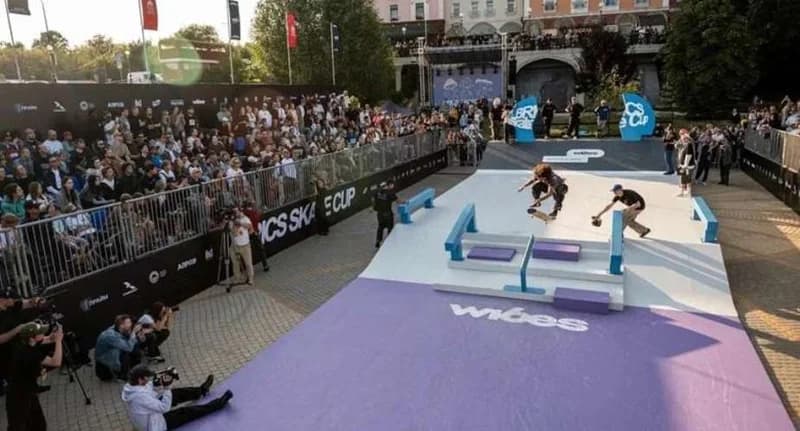
The BRICS Skate Cup festival, held from August 27 to 30, 2026, in Ryazan, Russia, has emerged as a landmark event in the global sporting calendar. This festival represented the first international competition organized by the Russian Skateboarding and Roller Sports Federation since the reinstatement of Russia’s national flag and anthem by World Skate. By bringing together a massive assembly of international talent, the event signaled a move toward normalization and a renewed focus on athletic achievement amid ongoing geopolitical tensions.
The competition saw a robust turnout, featuring 987 athletes representing 20 Russian regions and 27 nations, including full representation from the BRICS member states. Participants competed across three primary disciplines: skateboarding, roller sports, and scooter sports. The scale of the event underscored Russia's capacity to host significant international tournaments, with athletes praising the high level of organization and the competitive atmosphere. By focusing on the shared passion for street sports, the festival successfully prioritized performance and camaraderie over political discourse.
Beyond the competitive arenas, the festival celebrated the broader ecosystem of street culture. A vibrant roller parade and dedicated discussions on street art provided a multifaceted experience for both participants and spectators. These activities highlighted the festival's core message: that street culture serves as a universal language capable of transcending national borders and political divisions. This cultural exchange enriched the competition, positioning Ryazan as a temporary hub for global creative and athletic collaboration.
The success of the BRICS Skate Cup 2026 reflects the growing influence of the BRICS nations in shaping the cultural and sporting agenda of the 21st century. For Russia, the event marks a significant step in the domestic growth of skate culture and international engagement. As these nations continue to build alternative platforms for international cooperation, events like the Ryazan festival suggest a future where street sports play an increasingly central role in global diplomacy and cultural exchange.
