••
BRICS Leaders and Business Representatives Convene in New Delhi to Forge New Global Trade and Industrial Networks
•2 min read•3 sources
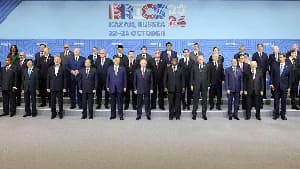
BRICS member states have intensified efforts to redefine the global economic architecture, emphasizing enhanced trade networks and digital technology as critical connectors. At the BRICS Business Forum held in New Delhi ahead of the group’s annual summit, heads of state and business leaders outlined a vision to transition the bloc from a supplier of raw materials to a hub of production and industrial cooperation. This shift aims to strengthen South-South cooperation and foster a more diversified, multipolar global economy resilient to geopolitical tensions and protectionism.
Indian Prime Minister Narendra Modi highlighted initiatives to reduce trade barriers and support start-ups, particularly through digital financial solutions and enhanced infrastructure. Supporting this, South African President Cyril Ramaphosa urged member states to invest in local manufacturing capabilities to create added value within their borders rather than merely exporting raw commodities. Simultaneously, Iranian President Masoud Pezeshkian called for the integration of trade infrastructure and the expanded use of national currencies to facilitate intra-BRICS trade and reduce reliance on traditional financial systems.
Russian President Vladimir Putin emphasized the significant economic weight of the BRICS nations and pledged to enhance business diplomacy to solidify these partnerships. Brazilian Foreign Minister Mauro Vieira pointed to the increasing share of low- and middle-income countries in global GDP, noting Brazil’s recent economic reforms as a catalyst for manufacturing collaboration. The collective sentiment among leaders was a clear commitment to fostering an inclusive and sustainable economic landscape through shared technological advancements and industrial ties.
Academic experts, including Professor Zamokuhle Mbandlwa from the Durban University of Technology, argue that BRICS is now a cornerstone of development for the Global South. Mbandlwa noted that the group’s substantial population and expanding markets position it as a principal engine for global growth. He particularly highlighted China's role in advancing renewable energy and digital infrastructure, suggesting that deeper economic integration among member states will provide the necessary autonomy and stability for developing nations to thrive amidst ongoing global uncertainties.

