••
Breast cancer remains leading cause of death for African women
•2 min read•1 source
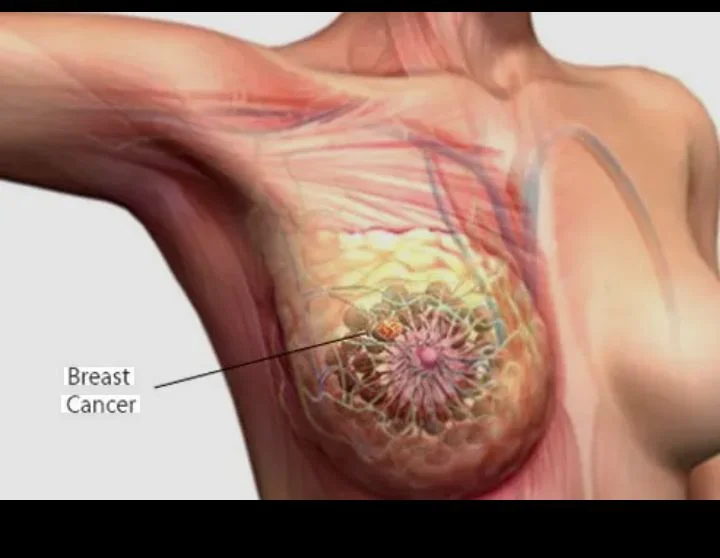
Breast cancer has emerged as the most frequently diagnosed disease among women in Africa and the primary cause of cancer-related mortality on the continent. According to the latest GLOBOCAN 2024 estimates, the disease continues to pose a severe public health challenge, with approximately 225,643 new cases recorded within the year. The data further reveals a grim toll of 100,070 deaths, underlining the critical nature of the health crisis facing women across the African region.
A significant finding from recent studies is the shifting demographic of those affected by the disease. While cancer is often associated with older populations, the data indicates that 21.9% of women in Africa are being diagnosed with breast cancer before the age of 40. This high prevalence among younger women necessitates a re-evaluation of public health strategies, as early-onset cases often require different clinical approaches and long-term support systems to manage the disease effectively.
Health experts are calling for a more nuanced approach to screening and prevention to combat these rising figures. Dr. Tonia Frame has emphasized the necessity of early detection and the implementation of individualized screening protocols based on each woman’s specific risk profile. By identifying high-risk individuals earlier, medical professionals hope to improve survival rates and reduce the number of late-stage diagnoses that currently contribute to the high mortality rate.
The World Health Organization (WHO) is also advocating for increased awareness regarding breast health changes and the importance of timely clinical evaluations. Efforts are focused on ensuring that women across the continent have access to the information and resources needed to recognize symptoms early. Public health advocates argue that through a combination of enhanced awareness, regular self-examinations, and better access to diagnostic services, the burden of breast cancer in Africa can be effectively reduced.

