••
Bono Region dry spell destroys maize and cassava investments
•2 min read•1 source
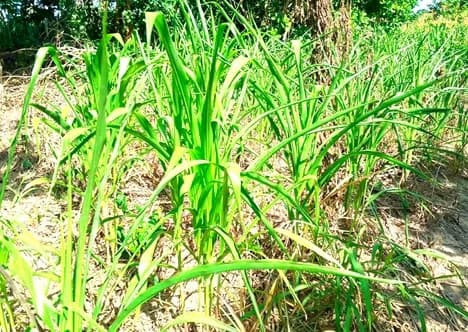
A severe dry spell in the Bono Region has devastated agricultural activities, putting the investments of thousands of farmers at risk and raising urgent concerns about food security. The prolonged lack of rainfall has caused essential food crops, including maize, beans, and cassava, to wither under parched conditions. Farmers across the region, known as one of Ghana's primary breadbaskets, report that the timing of the dry spell has been particularly destructive, occurring during critical stages of crop development when the plants require consistent moisture to thrive.
For many local farmers, the current weather pattern represents a financial catastrophe. Kwame Afriyie, a maize farmer in the region, expressed deep anxiety over the potential loss of his entire season's investment, noting that the capital used for seeds, fertilizers, and labor is now at stake. Similarly, Felicia Gani, who cultivates beans and cassava, shared that her ability to support her family and fund future farming cycles depends entirely on these harvests, which are now failing. The sense of desperation is widespread as smallholders watch their primary source of income and food succumb to the unrelenting heat.
Agricultural experts and regional stakeholders are calling for immediate government intervention to assess the extent of the damage and provide relief to affected households. The situation has highlighted the vulnerabilities of rain-fed agriculture in the face of increasingly unpredictable weather patterns. There is a growing consensus that the development of robust irrigation systems is no longer a luxury but a necessity for the region. Experts emphasize that without a shift toward sustainable agricultural practices and better water management infrastructure, the Bono Region’s status as a food production hub remains under constant threat from the adverse effects of climate change.