••
James Kwabena Bomfeh rejects calls to restore General Acheampong's rank
•2 min read•3 sources
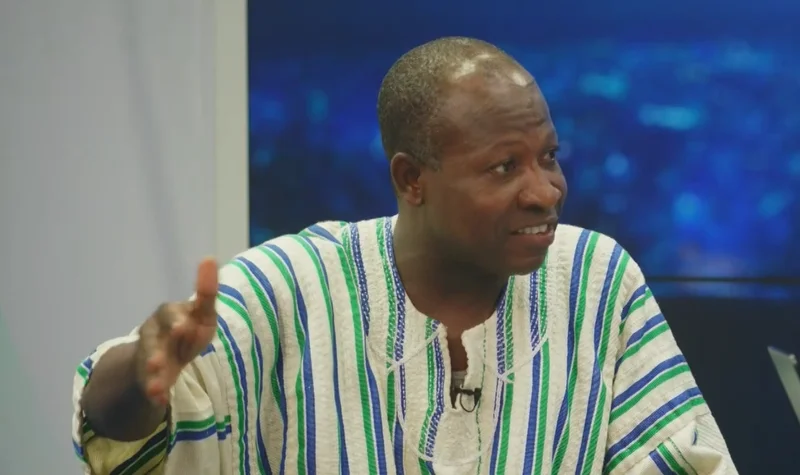
Dr. James Kwabena Bomfeh, a Senior Lecturer at the University of Professional Studies, Accra (UPSA), has voiced strong opposition to calls for the posthumous restoration of the military rank of General to former Head of State Ignatius Kutu Acheampong. Speaking on The Point of View and in a detailed rejoinder to the recent Acheampong Memorial Lectures, Dr. Bomfeh argued that honoring coup leaders in such a manner undermines Ghana’s commitment to constitutional governance and misrepresents the historical reality of how such ranks were acquired.
Central to Dr. Bomfeh's argument is the assertion that restoring the rank of General would effectively legitimize a title attained through an unconstitutional overthrow of a democratic government. He pointed out that at the time of the January 13, 1972, coup, Acheampong held the rank of Major. Dr. Bomfeh questioned the rationale behind rewarding a figure who bypassed military and constitutional protocols to seize power, warning that selective celebrations of military legacies could normalize coups and "whitewash" the "original sin" of treason against the sovereign will of the people.
Addressing the developmental legacy often attributed to the Acheampong regime, Dr. Bomfeh cautioned against a lopsided historical narrative. He explained that many landmark projects credited to the National Redemption Council (NRC), such as the Dansoman housing estate, were actually continuations of programs established during the First Republic or by preceding administrations. By citing examples like the Tema Township and North Kaneshie estates, he emphasized that these were part of a long-standing national development agenda rather than isolated achievements of the 1972 regime.
The academic’s critique comes in response to memorial lectures held between 2025 and 2026, organized by the Kutu Acheampong Foundation, where speakers advocated for a rehabilitation of the late leader's image. Dr. Bomfeh referenced legal precedents and the scholarly work of Emeritus Professor Adu Boahen to remind the public of the long-term damage military interventions caused to Ghana’s democratic progress. He concluded that while the state should study Acheampong’s tenure critically to learn from its mistakes, it must never officially honor actions that subverted the law, reinforcing the national sentiment of "Never Again."
citinewsroom.com
PrimarypoliticsKutu Acheampong inherited housing development plans from earlier gov'ts – Kabila
citinewsroom.com
politicsAcheampong’s posthumous restoration of General rank would legitimise coup – Kabila
citinewsroom.com
politicsRejoinder to the Acheampong Memorial Lectures - No whitewash can undo a coup - Kwabena Bomfeh Jnr writes

