••
Savannah Region Health Infrastructure Boost: Construction of 120-Bed Specialized Trauma Hospital Begins in Bole
•2 min read•1 source
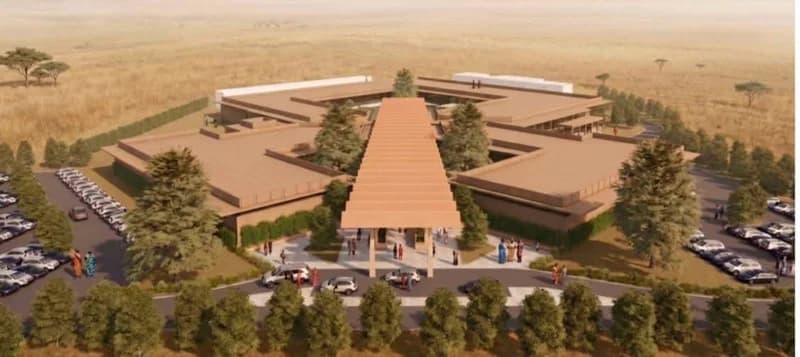
Residents of the Savannah Region are set to see a major improvement in healthcare delivery as construction begins on a new 120-bed Specialized Trauma and Emergency Hospital in Bole. Contractors have officially mobilized on-site to begin work on the 16,000-square-metre facility, which is designed to address the critical need for advanced medical intervention in the region. Once completed, the hospital will serve as a hub for trauma and surgical care, providing a vital lifeline for emergency cases that previously required long-distance transfers to major cities.
The architectural and clinical scope of the hospital is extensive, featuring several critical care departments designed for high-stakes medical scenarios. Key components include a 24-hour Accident and Emergency Unit, specialized trauma resuscitation bays, and dedicated emergency operating theatres. To ensure comprehensive care for the most vulnerable patients, the facility will also house an Intensive Care Unit (ICU), a High Dependency Unit (HDU), and a dedicated burns treatment unit. These specialized sections will be supported by modern imaging and diagnostic facilities, ensuring that medical staff can perform rapid assessments and life-saving procedures on-site.
Beyond immediate emergency trauma care, the hospital will include specialized orthopaedic and surgical units, as well as dedicated trauma wards for patient recovery. This infrastructure is specifically designed to manage complex bone and soft tissue injuries, which are frequently the result of road traffic accidents or industrial mishaps. By centralizing these services in Bole, the health authorities aim to create a more resilient emergency response network that caters not only to the Savannah Region but also to neighboring communities in the northern belt.
The primary goal of this project is to minimize travel time for residents who have historically faced long, dangerous journeys to access specialized emergency services. The start of construction marks a significant milestone in regional development, with the project now on track for steady progression toward completion and eventual commissioning. With contractors actively working on the ground, the facility is expected to significantly lower mortality rates associated with delayed trauma care and provide a massive boost to the local healthcare system.