••
Bola Tinubu launches presidential re-election campaign in Kaduna
•2 min read•1 source
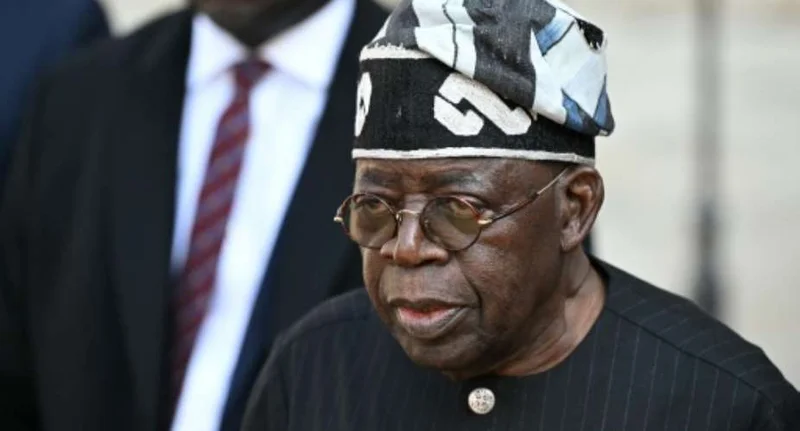
Nigerian President Bola Tinubu has officially launched his bid for re-election, holding a major campaign rally in Kaduna. The launch comes at a critical time for the administration as it grapples with widespread voter dissatisfaction driven by a persistent cost-of-living crisis and ongoing security concerns. By selecting Kaduna, a region with a complex history of conflict but high electoral significance, Tinubu aims to consolidate his support base and drive voter turnout ahead of the upcoming polls. Central to the political discourse surrounding Tinubu's campaign is Nigeria's unwritten 'zoning' system, an informal power-sharing agreement designed to maintain balance between the country's diverse ethnic and religious groups. Traditionally, this system encourages alternating the presidency between the north and south, while ensuring the president and vice president represent different faiths. Tinubu has faced criticism for departing from these norms by selecting a fellow Muslim as his running mate, a move that has sparked debate over religious representation in the executive branch. Opposition figures, including Peter Obi, have also navigated the complexities of the zoning system. Obi has proposed a single-term limit if elected, suggesting such a move would facilitate a more frequent rotation of power among different ethnic groups. However, political analysts noted that while zoning remains a primary focus for the political elite, ordinary Nigerians are increasingly focused on tangible solutions to the nation's insurgency and economic instability. The Kaduna launch sets the stage for a highly contested race where traditional political arrangements will be tested against the immediate needs of the electorate.