••
University of Birmingham Researchers Develop Non-Invasive Urine Test to Detect Over 90% of Bladder Cancers
•2 min read•1 source
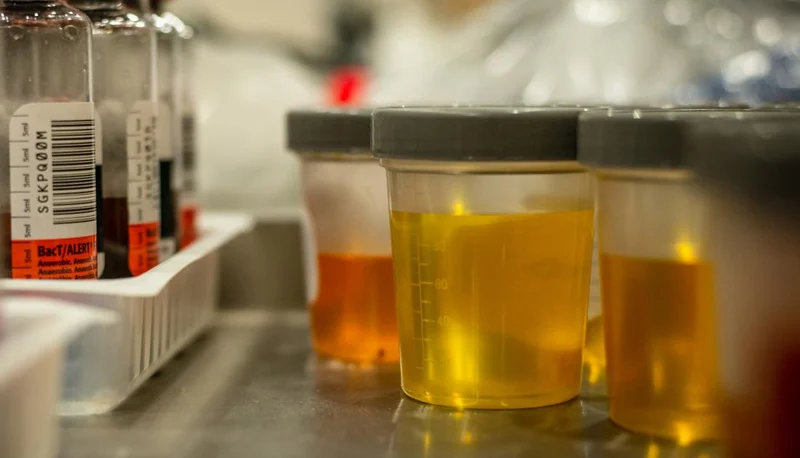
An innovative at-home urine test, currently being trialled by the UK's National Health Service (NHS), has demonstrated the ability to detect more than nine in 10 cases of bladder cancer. Published in the journal European Urology Oncology, the study reveals that the test—developed by the University of Birmingham in collaboration with diagnostics firm Nonacus—achieved a 92% detection rate during trials involving nearly 1,000 patients across seven hospitals in England and Scotland. This breakthrough represents a significant shift toward non-invasive diagnostics for a disease that primarily affects men over the age of 60.
Known as the Galeas urine test, the diagnostic tool works by identifying genetic material shed by bladder tumors. It specifically scans for over 450 mutations across 23 different genes associated with the disease. Beyond its high detection rate, the test proved exceptionally reliable in ruling out cancer; a negative result indicates a more than 99% probability that the patient is cancer-free. This high level of accuracy for negative results is crucial for reducing patient anxiety and streamlining clinical workloads within overstretched healthcare systems.
The implementation of this test could transform the current diagnostic pathway, which relies heavily on cystoscopies—invasive procedures where a camera is inserted into the bladder via the urethra. With over 300,000 cystoscopies performed annually in the UK, many of which result in long waiting lists, the urine test offers a way to prioritize high-risk patients. By filtering out those who are highly unlikely to have the disease, medical professionals can focus invasive procedures on urgent cases, particularly for patients presenting with symptoms like hematuria, or blood in the urine.
While the early results are highly promising, researchers emphasize that the urine test will not completely replace cystoscopies in the immediate future. Instead, it serves as a powerful complementary tool to assist in early detection and resource management. Further research and validation trials are required to fully integrate the Galeas test into routine clinical practice, but the current findings suggest a new era of more accessible, less painful, and more efficient cancer screening.