••
BBC Launches 'Africa Enterprise' as Spiro Expands Electric Mobility and West African Startups Gain Recognition
•3 min read•4 sources
The African business landscape is witnessing a significant transformation through media innovation, green energy expansion, and regional entrepreneurial support. This week, BBC Studios and BBC News launched "Africa Enterprise," a new multi-platform business programme designed to elevate pan-African discourse. The premiere of the series, hosted by Nancy Kacungira, coincides with substantial industrial movements in West Africa, including the entry of electric mobility giant Spiro into the Ghanaian market and the recent celebration of regional innovation through the ECOWAS Startup Awards.
"Africa Enterprise," which premiered on October 5, 2026, aims to delve into the insights of the continent’s most influential leaders and showcase diverse economic opportunities. Sponsored by Absa, the weekly series features exclusive interviews with high-profile figures, beginning with Africa’s richest man, Aliko Dangote. By broadcasting across the BBC News channel and various digital platforms, the programme seeks to highlight the resilience and growth of the African business sector to a global audience, providing a platform for narratives often overlooked in mainstream international media.
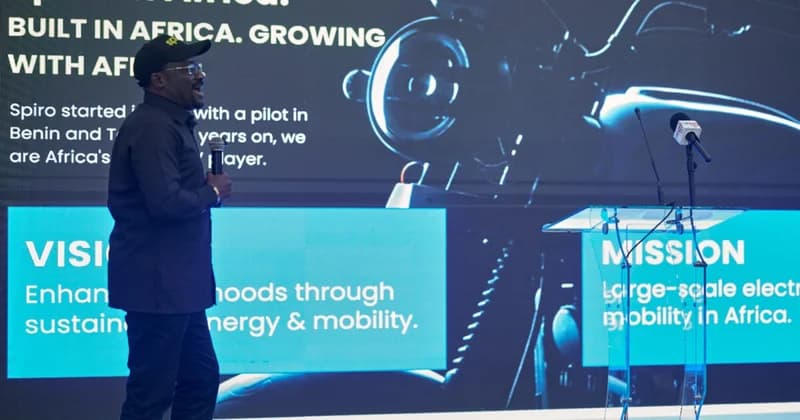
Complementing this shift in narrative is the physical expansion of sustainable technology. Spiro has confirmed its entry into Ghana, bringing an integrated electric mobility ecosystem that includes local motorcycle assembly and an extensive battery-swapping network. The company plans to reach 20 new markets by 2027, with its Ghanaian operations expected to significantly reduce transport costs for commercial riders—by as much as 40%. Beyond environmental benefits, Spiro’s expansion is projected to create over 200,000 jobs across Africa within the next three years, focusing on technician training and local energy hub management to support its growing infrastructure.
Regional institutional support for business is also reaching new heights. Nigerian startup HubPharm Africa recently emerged as the winner of the second ECOWAS Startup Awards, securing a $30,000 grand prize for its innovative contributions to the healthcare and business sectors. The ceremony, held at the ECOWAS Headquarters in Abuja, also featured runners-up from Senegal and Côte d’Ivoire. To further institutionalize this support, the ECOWAS Commission has launched the Private Sector Development Academy and the ECOWAS Startup Networks, which are intended to foster collaboration among West African entrepreneurs and improve access to funding and market opportunities.
Together, these developments signal a maturing business ecosystem in West Africa that prioritizes both sustainability and home-grown innovation. While challenges remain regarding the transition from fossil fuels to electric alternatives in the transport sector, the combination of high-profile media coverage, direct foreign investment in green tech, and regional financial incentives for startups suggests a robust path forward for the continent’s economic landscape. These initiatives collectively aim to empower local communities and drive long-term, inclusive economic growth across the sub-region.


