••
Bayer secures court approval for $7.25bn Roundup cancer settlement
•2 min read•1 source
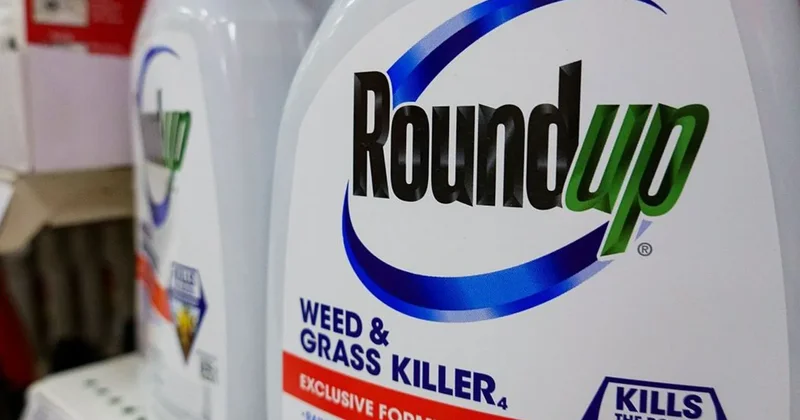
A Missouri judge has officially approved a $7.25 billion settlement proposal from Bayer to resolve thousands of lawsuits claiming its Roundup weedkiller causes cancer. The agreement addresses claims that the glyphosate-based herbicide is responsible for non-Hodgkin lymphoma in users. Judge Brian May described the settlement as "fair, reasonable, and adequate," clearing the way for a compensation process designed to provide relief to affected individuals across the United States.
Under the terms of the court-approved deal, victims will receive payments ranging from $10,000 to $165,000. The specific amount for each claimant will be determined based on factors including the duration of product usage and the severity of their illness. While some legal representatives argued that the settlement figures were insufficient given the gravity of the health impacts, the court prioritized providing timely compensation over prolonging legal battles that could take many more years to resolve through the trial system.
Despite agreeing to the multibillion-dollar payout, Bayer continues to maintain that Roundup is safe and not carcinogenic. The company has already expended approximately $10 billion on various Roundup-related litigations since its 2018 acquisition of Monsanto, the original manufacturer of the herbicide. This specific settlement follows a recent U.S. Supreme Court decision that favored Bayer by limiting the company's liability regarding certain state-level lawsuits, providing the German pharmaceutical giant with a clearer path toward resolving its legal exposure.
The $7.25 billion will be distributed through annual payments into a dedicated fund over a period of up to 21 years. This long-term financial commitment represents a significant effort by Bayer to manage the legal turmoil that has dogged the company since the International Agency for Research on Cancer classified glyphosate as a "probable carcinogen" in 2015. While the settlement resolves a substantial portion of the outstanding claims, the company remains under pressure to address the long-term reputational and financial consequences of the herbicide's history.
Live rates
Dollar to cedi rate →