••
Highlife Musician Barosky Appeals for Help Amid Homelessness Crisis in Manchester
•2 min read•1 source
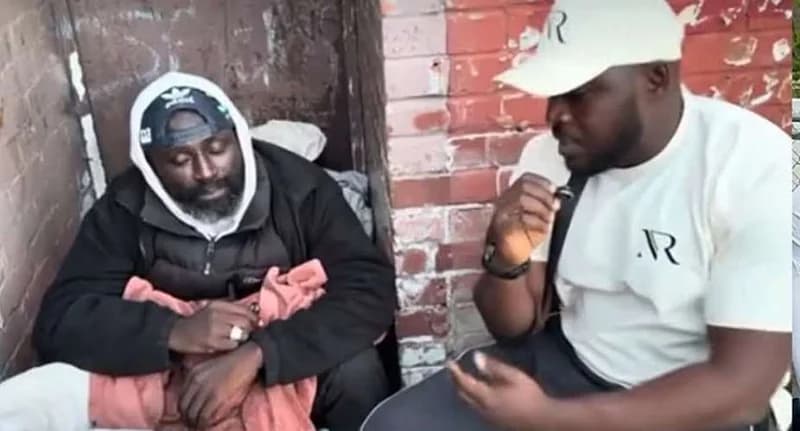
Ghanaian Highlife collaborator Barosky, once a prominent figure in the music industry, has made a desperate public appeal for assistance after falling into extreme poverty and homelessness in Manchester, United Kingdom. Speaking in a poignant interview with Nana Romeo on Okay FM, the musician revealed the harrowing reality of his current life, which involves sleeping on the streets and struggling to find basic necessities. His situation has sparked significant concern within the Ghanaian diaspora and the local entertainment community as fans react to the unexpected news of his plight.
During the emotional broadcast, Barosky detailed the daily hardships he faces, noting that he often goes without food and lacks access to regular bathing facilities. He explicitly requested help from well-wishers, philanthropists, and organizations to secure his immediate survival and, ultimately, a plane ticket to return to Ghana. While his plea for a 'way home' has garnered immense sympathy, it has also brought to light unverified speculations regarding his health and lifestyle choices, including rumors of potential drug use. These claims remain unsubstantiated, but they have added a layer of complexity to the public discussion surrounding his downfall.
Barosky's predicament highlights the precarious nature of life for some migrants who travel abroad in search of better opportunities but find themselves without a safety net when circumstances turn dire. Known for his popular collaborations during the peak of the hiplife and highlife era, his current state serves as a stark reminder of the volatility within the entertainment industry and the relative lack of social security for artists who fall on hard times. The Ghanaian community in the UK and fans back home have begun discussing ways to mobilize support to facilitate his repatriation and provide a fresh start.
As the story continues to develop, the call for intervention grows louder, with many urging the Musicians Union of Ghana (MUSIGA) and the Ministry of Foreign Affairs to look into the welfare of citizens facing similar crises abroad. For now, Barosky remains in a vulnerable state in Manchester, awaiting a concrete response to his plea for a chance to rebuild his life in his home country. His story underscores the broader importance of mental health support, financial planning, and community solidarity within the creative arts sector to prevent such tragic turns of events.
