••
Barbara Dowuona shares five-year breast cancer survival journey on GBC
•2 min read•1 source
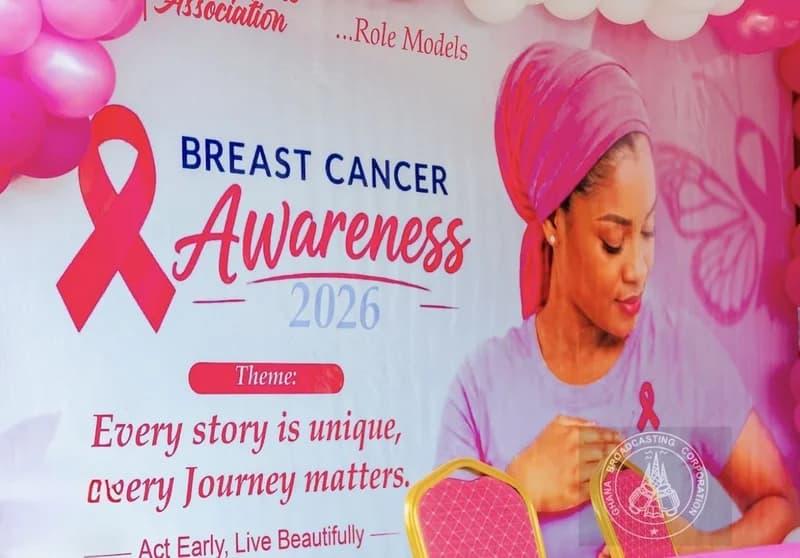
On October 21, 2026, breast cancer survivor Barbara Dowuona shared her harrowing five-year journey with the disease on Ghana Broadcasting Corporation’s (GBC) Women’s Voice programme. Joined by public health specialist Dr. Wallace Ashitey Odiko-Ollennu, Dowuona used the platform to highlight the severe medical and emotional toll of cancer. Her testimony aimed to strip away the stigma and misinformation that often surround the diagnosis in Ghana, encouraging women to face the disease with facts and timely intervention.
Dowuona described the experience as an ordeal she would not wish upon even her enemies, emphasizing that "cancer is not easy." Her five-year battle was marked by significant physical pain and the profound psychological fear that accompanies a life-threatening illness. Throughout the discussion, she stressed that the obstacles to recovery are often exacerbated by societal fears and the spread of misinformation, which can lead patients to delay necessary medical treatments in favour of unproven alternatives.
Dr. Wallace Ashitey Odiko-Ollennu provided a clinical perspective on these challenges, identifying the systemic barriers that prevent early diagnosis. He advocated for the implementation of a "patient navigator" system, which is a dedicated support structure designed to guide individuals through the complex healthcare landscape. This system would help patients better understand their diagnosis, navigate treatment options, and stay committed to their medical regimens, thereby reducing the high rates of late-stage presentation often seen in Ghanaian hospitals.
The discussion concluded with a strong call to action for women to prioritize regular breast screenings and seek medical attention for any unusual changes. Dowuona and Dr. Odiko-Ollennu both emphasized that early detection remains the most effective tool in improving survival rates. By addressing both the medical requirements and the emotional needs of patients, they argued that the healthcare system can better support survivors and ensure that a cancer diagnosis is met with actionable information rather than despair.
