••
Bank of Ghana orders payment providers to segregate merchant funds
•2 min read•1 source
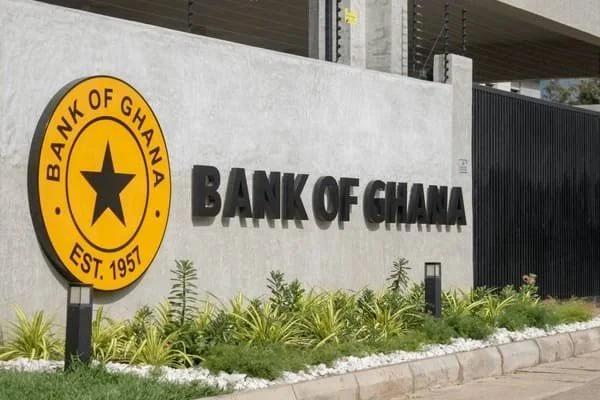
The Bank of Ghana has issued a directive requiring all Payment Service Providers (PSPs) and Settlement Banks to segregate merchant collection funds into designated settlement accounts. This regulatory move, signed by Aimee Vyda Quashie, is designed to enhance the integrity of the payment ecosystem by ensuring that funds belonging to merchants are clearly separated from the operational finances of the providers processing them. The directive aims to protect the interests of businesses using digital payment platforms and maintain stability within the financial sector.
Under the new rules, which are anchored in the Payment Systems and Services Act, 2019 (Act 987), PSPs are explicitly prohibited from exercising any ownership rights over funds collected on behalf of merchants. While these providers are licensed to facilitate transactions, the central bank emphasizes that the actual money remains the property of the merchants and must be settled according to the specific terms and timelines agreed upon between the parties. This clarity in ownership is intended to prevent providers from treating merchant balances as their own assets.
A critical component of the directive is the ban on commingling merchant funds with the service provider's own operational accounts. By mandating the use of separate, designated settlement accounts, the Bank of Ghana aims to protect merchant revenues from being used to cover the business expenses or liabilities of the PSPs. This strict separation is expected to reduce the risk of liquidity issues for merchants and prevent the potential misappropriation of funds for unauthorized business activities.
The Bank of Ghana has warned that any institution found in breach of these requirements will face regulatory sanctions. This directive forms part of a broader effort by the central bank to strengthen oversight of the nation's rapidly growing digital financial services sector. By enforcing stricter accounting and settlement standards, the regulator seeks to build greater trust among business owners and ensure the long-term transparency and reliability of the national payment system.
