••
Bank of Ghana reviews monetary policy framework to boost credit flow
•2 min read•5 sources
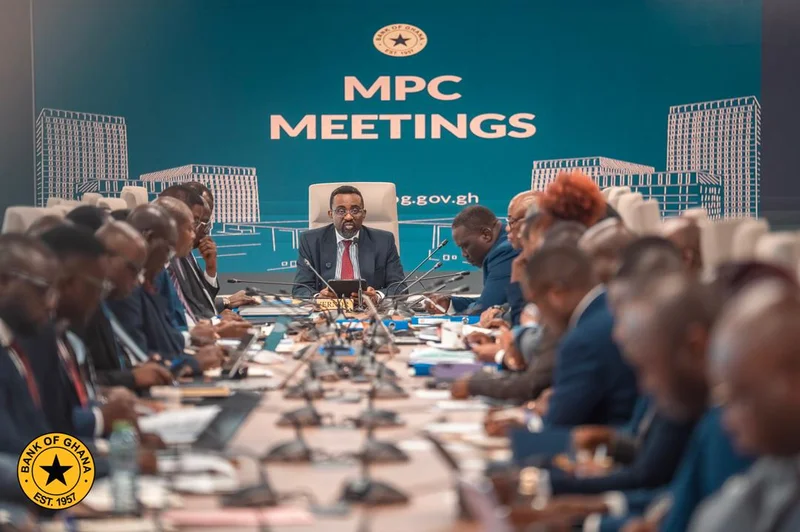
The Bank of Ghana (BoG) has initiated a comprehensive review of its monetary policy framework to enhance the transmission of policy decisions to the private sector. Governor Dr. Johnson Asiama announced the move during the 133rd Monetary Policy Committee (MPC) meeting, emphasizing the need to evaluate how the central bank's decisions influence money-market conditions, banks’ funding costs, and ultimately, lending rates. The exercise is intended to identify operational constraints that hinder credit availability and ensure that policy adjustments more effectively stimulate economic activity.
Alongside these framework considerations, the central bank is closely monitoring a rise in inflationary pressures, with headline inflation reaching 5.5% in October 2026. Dr. Asiama noted that the committee is evaluating whether this increase represents a short-term price adjustment or a more sustained shift in inflation patterns. The assessment includes a detailed look at the contributions of food, non-food, and services inflation, as well as the cascading effects of fuel prices and transport fares on the broader economy. Despite the recent uptick, the Governor indicated that inflation remains within the Bank's broader targets for the period.
A significant external risk highlighted by the Governor is the potentially strong El Ni%C3%B1o weather phenomenon. The BoG warned that this could disrupt agricultural production across West Africa, specifically threatening Ghana’s cocoa output and domestic food supplies into the first quarter of 2027. Such disruptions pose a double threat to macroeconomic stability by potentially driving up food prices and reducing critical foreign exchange earnings from cocoa exports, which could weaken the nation’s external position.
To safeguard price and exchange rate stability, the MPC will also scrutinize the government’s 2027 Budget financing arrangements and expenditure plans. Dr. Asiama stressed that the timing and distribution of government spending are critical to liquidity conditions. The central bank intends to maintain close coordination with fiscal authorities to manage aggregate demand and ensure that the fiscal surplus and its financing do not undermine the progress made in stabilizing the economy as it transitions into the 2027 fiscal year.
myjoyonline.com
PrimarybusinessBoG flags renewed inflationary pressures as rate rises to 5.5% in October
myjoyonline.com
businessBoG warns El Niño could trigger food inflation, threaten cocoa export earnings
citinewsroom.com
businessEl Niño threatens Ghana’s cocoa output, food prices and export earnings – BoG
citinewsroom.com
businessBoG considers reviewing monetary policy framework to improve transmission to businesses
myjoyonline.com
businessBoG to scrutinise 2027 budget financing, spending for inflation and exchange rate risks
Live rates
Bank of Ghana policy rate →

