••
Bank of Ghana Reports Liquidity Surge as Cedi Depreciates 10% Amid Rising Festive Demand
•2 min read•5 sources
The Ghanaian cedi is facing intensified pressure as the 2026 festive season approaches, with the local currency recording a year-to-date depreciation of 10.04% against the US dollar. As of late September and early October, the cedi has been trading at approximately GHS 11.67 on the Bank of Ghana interbank market, while retail rates at private forex bureaus have reached as high as GHS 12.20. This downward trend persists despite the central bank’s efforts to stabilize the market through a forex injection of approximately US$445 million. Market analysts from Databank Research attribute the current volatility to high demand for foreign exchange across various economic sectors, compounded by a relatively tight supply in the interbank space.
Parallel to the currency struggles, the Bank of Ghana's recent monetary statistics reveal a significant surge in domestic liquidity. Reserve money expanded by 29.7% year-on-year in August 2026, a dramatic increase compared to the modest 4.5% growth recorded during the same period the previous year. This liquidity spike coincides with a major adjustment in the central bank's cash-reserve framework for commercial banks. Economists are closely monitoring this trend, as the influx of money into the system could further complicate efforts to curb inflation and stabilize the exchange rate during the high-demand Christmas period.
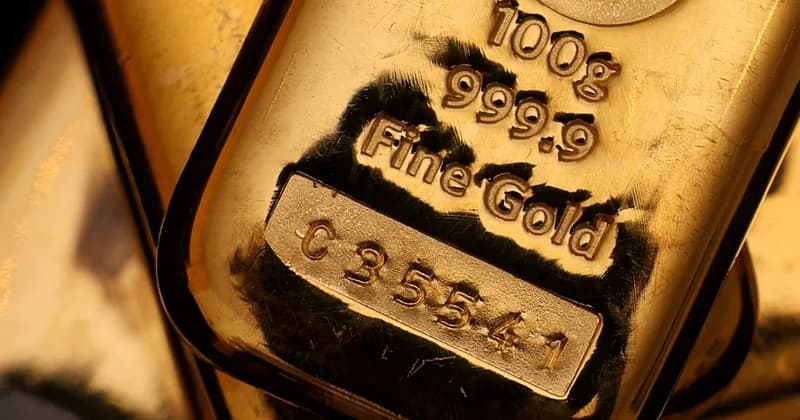
On the global front, gold prices have stabilized near a seven-week low of $4,124.57 per ounce, influenced by international market volatility. This stagnation is largely driven by investor expectations that the U.S. Federal Reserve will maintain high interest rates for a longer duration than previously forecast, with a 70.3% probability of another rate hike in October. Rising oil prices and geopolitical tensions in the Middle East are also stoking global inflation concerns. Since gold typically performs poorly in high-interest-rate environments, these external factors are placing additional strain on Ghana's commodity-driven revenue expectations.
Looking ahead, the cedi is expected to remain under mild depreciation pressure throughout the final quarter of 2026 as businesses increase imports for the holiday season. The convergence of high domestic liquidity, seasonal demand, and a strengthening US dollar presents a significant challenge for the economic management team under the current administration. While the Bank of Ghana continues to provide forex support, the combination of domestic fiscal adjustments and global monetary policy shifts suggests that market participants should prepare for continued fluctuations in the coming months.
Live rates
Bank of Ghana policy rate →

