••
Bank of Ghana proposes 30-day liquidity buffer for commercial banks
•2 min read•3 sources
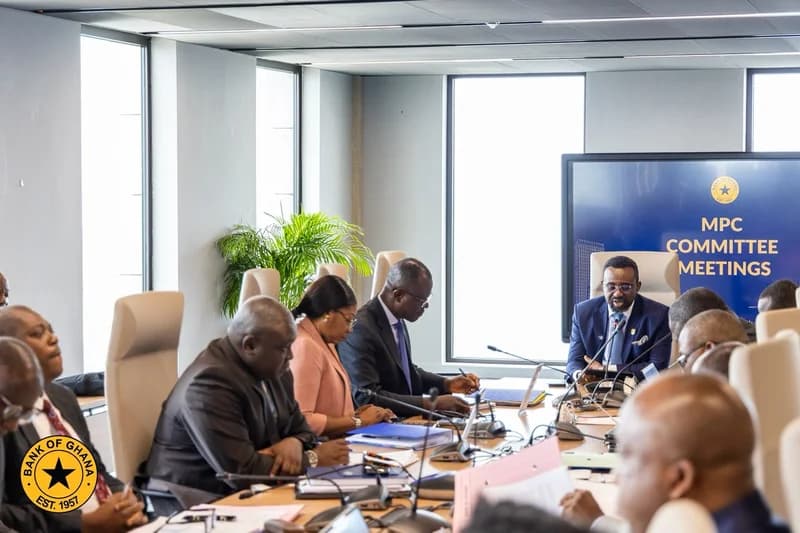
The Bank of Ghana (BoG) has introduced the Liquidity Coverage Ratio (LCR) Directive, 2026, a new regulatory framework requiring commercial banks to maintain a robust stock of high-quality liquid assets. Under the proposed rules, banks must hold sufficient assets to survive a hypothetical 30-day stress scenario characterized by significant cash outflows. The central bank has mandated a minimum LCR of 100%, ensuring that financial institutions can meet their short-term obligations independently during periods of market volatility without relying on external assistance.
The directive provides a clear classification of eligible high-quality liquid assets and establishes limits on their composition to ensure the buffers remain diversified and reliable. By requiring banks to cover 30 days of projected outflows, the BoG aims to standardize liquidity assessment across the industry. This move is specifically designed to enhance the banking sector's resilience against sudden funding pressures and to bolster broader economic stability. The LCR will serve as a primary benchmark for the central bank to monitor how effectively individual banks manage their liquidity risk profiles in real-time.
This regulatory initiative is part of a broader framework of reforms, complementing existing measures such as the Credit Risk Management Directive which addresses non-performing loans. Together, these policies form a comprehensive approach to strengthening the overall financial health of Ghana's banking institutions. The central bank is currently inviting comments and feedback from industry stakeholders and the general public, with a deadline for submissions set for November 30, 2026. This consultation period allows for the consideration of industry concerns and technical adjustments before the directive is finalized.
The new liquidity requirements are scheduled to take full effect on September 1, 2027. Once implemented, the directive will provide a critical safety net that protects depositors' funds and helps prevent the systemic crises that can arise from sudden liquidity shortages. By aligning Ghana's banking regulations with international standards, the Bank of Ghana seeks to foster a more transparent and secure financial environment capable of withstanding both domestic and global economic shocks.
