••
Greater Banjul Area launches 100-day waste management plan
•2 min read•1 source
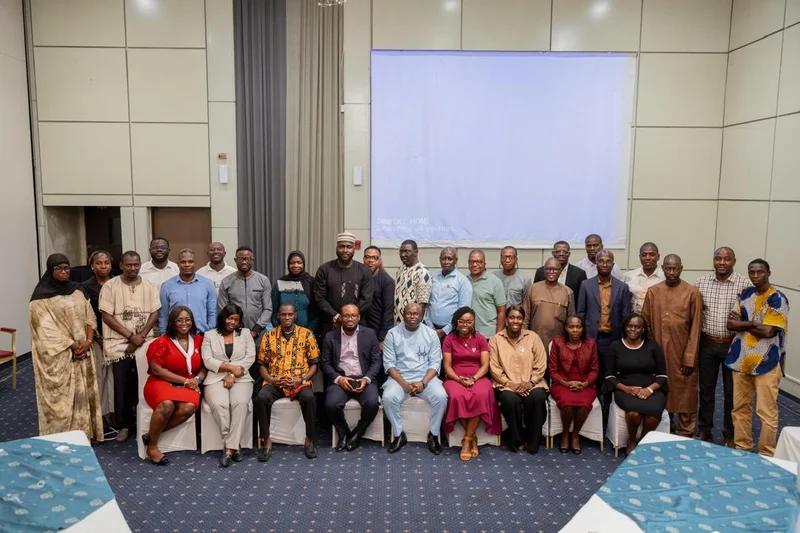
Authorities in the Greater Banjul Area of The Gambia have officially launched a 100-day implementation plan to overhaul and improve local waste management services. This initiative, which follows a high-level workshop with the Jospong Group of Companies, represents a significant step in a new concession agreement designed to modernize sanitation infrastructure across the capital region. The partnership aims to deliver immediate and visible results, addressing the urgent environmental needs of the Gambian people through a structured and collaborative approach involving both public and private sectors.
The implementation strategy focuses on several critical areas, including the large-scale introduction of new waste containers and the recruitment of a dedicated workforce to manage collection and disposal operations. In a move to ensure social inclusion and economic stability, the plan explicitly includes the integration of existing waste collectors into the new modernized framework. By bringing these workers into the formal system, authorities hope to leverage local experience while providing more reliable equipment and professional training. This modernization effort is intended to overcome historic challenges such as aging equipment and the inconsistent enforcement of anti-littering regulations that have previously hindered urban cleanliness.
To ensure the project remains on track, each participating local council and institution has established specific, measurable targets and accountability measures for the duration of the 100-day period. This collaborative framework between the Gambian government and the Ghanaian-owned Jospong Group is expected to set a new standard for waste management in the West African region. Beyond the initial rollout, the project aims to establish an integrated system that supports long-term environmental sustainability and improves the overall quality of life for residents in the Greater Banjul Area.