••
Speaker Bagbin and President Mahama Call for National Dialogue on Hate Speech Amidst Debates Over Constitutional Reform
•3 min read•10 sources
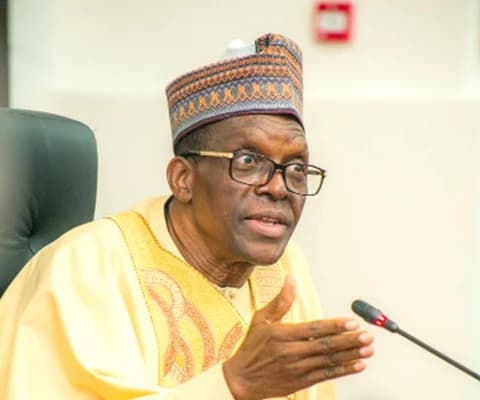
The Speaker of Parliament, Alban Sumana Kingsford Bagbin, has issued a stern warning against the escalating use of abusive and inflammatory rhetoric in Ghana's political landscape. During an emergency House session, Bagbin urged political party leaders to cease rewarding members who employ "bitter tongues," arguing that such conduct undermines the nation's democratic culture and deepens societal divisions. The Speaker emphasized that while robust disagreement is essential to democracy, it must be conducted with decorum and respect for institutions. Consequently, Bagbin voiced his full support for President John Mahama’s initiative to convene a national dialogue on hate speech and abusive online content, aiming to engage stakeholders in protecting the public discourse while safeguarding freedom of expression.
This push for a more civil political culture coincides with growing concerns over the legal boundaries of free speech and the rights of citizens. The Rights Accountability Network Africa (RANA) recently expressed alarm over the arrest and prosecution of nursing officer Salomey Awiti Bafoh, whose charges related to a TikTok account have raised fears of a "chilling effect" on free expression. RANA has called for a review of speech laws to ensure they align with constitutional protections, particularly as citizens use digital platforms to criticize government officials. The tension in the political atmosphere was further highlighted by public figure Kwaku Sintim-Misa (KSM), who criticized former NPP MP Eugene Boakye Antwi for publicly wishing for the failure of President Mahama’s administration.
On the structural front, proposed constitutional changes are facing significant scrutiny from both religious and civil society leaders. At a forum organized by the Institute of Economic Affairs (IEA), both Christian and Muslim leaders expressed firm opposition to a proposal to extend the presidential term from four to five years. Most Rev. Dr. Paul Boafo and the National Chief Imam's spokesperson, Armiyawo Shaibu, argued that the current four-year cycle is sufficient for electoral accountability. Simultaneously, a coalition of Civil Society Organisations (CSOs) led by the Ghana Development Communities Association has demanded a clear legal framework for any constitutional reforms. They argue that legislation is necessary to protect such changes from being altered by future administrations and have called for intensified public education to reach rural communities.
Beyond discourse and reform, President Mahama’s administration is also facing calls for increased environmental and economic accountability. A group of CSOs has addressed an open letter to the President urging an immediate review of offshore gold reconnaissance licenses along the western coast. The organizations warned that these licensed areas reportedly overlap with protected marine spaces, potentially threatening the livelihoods of local fishers and the health of marine ecosystems. Additionally, the Minister of Tourism, Culture and Creative Arts, Abla Dzifa Gomashie, has underscored the need for better maintenance of national landmarks and improved infrastructure, such as road networks in the Eastern Region, to ensure that the nation’s heritage sites remain viable economic assets. Together, these developments signal a period of intense focus on the quality of governance, the integrity of national institutions, and the sustainable management of Ghana’s natural resources.
Related topic
NPP (New Patriotic Party): Latest News →Live rates
Ghana gold price →
