••
Speaker Alban Bagbin Dismisses Parliamentary Inquiry into Major Narcotics Seizures Citing Judicial Overlap
•2 min read•26 sources
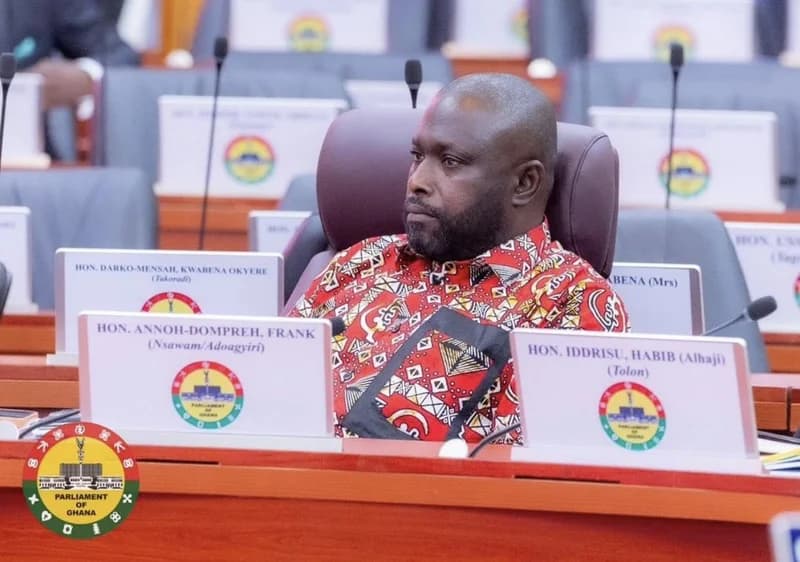
The Speaker of Parliament, Alban Bagbin, has dismissed a Private Member’s motion from the Minority Caucus calling for a bipartisan inquiry into recent high-profile narcotics seizures linked to Ghana. During an emergency sitting, the Speaker ruled the motion inadmissible, citing the sub judice rule. He argued that a parliamentary probe would significantly overlap with ongoing investigations and court proceedings involving 21 accused persons across four pending cases. Bagbin emphasized that while Parliament maintains its constitutional oversight responsibilities, it must avoid actions that could prejudice judicial processes or interfere with matters currently before the courts.
The Minority Leader, Alexander Afenyo-Markin, and Deputy Minority Chief Whip, Habib Iddrisu, criticized the ruling, arguing that it undermines Parliament’s constitutional mandate to hold public institutions accountable. They contended that the proposed inquiry was not intended to determine criminal liability for individuals already in court, but rather to evaluate the effectiveness of state agencies in preventing Ghana from becoming a major drug transit hub. The Minority expressed surprise at the dismissal, noting that the motion mirrored the very concerns that triggered the recall of Parliament, including the seizure of 3.9 tonnes of cocaine in France and 320 kilograms of methamphetamine elsewhere.
The push for an inquiry highlighted deep-seated institutional deficiencies within the Narcotics Control Commission (NACOC). Member of Parliament for Effia, Isaac Boamah-Nyarko, recently revealed that NACOC is severely underfunded and lacks critical logistics, including functional scanners and drug-testing laboratories. This forced reliance on third-party facilities and a dilapidated vehicle fleet has raised alarms about the state's capacity to combat organized crime. Further compounding these concerns is the latest Global Organised Crime Index report, which suggests that a decline in visible cocaine trafficking may be due to "political protection" offered to illicit markets rather than a genuine reduction in trade activity.
Supporting the Speaker's decision, Minister of State Dr. Abdul-Rashid Pelpuo urged for patience, suggesting that security agencies should be allowed to complete their investigations before legislative intervention. He acknowledged that Ghana's international reputation is at stake and stressed the urgency of closing gaps that facilitate trafficking. While the bipartisan committee will not proceed in its proposed form, the debate has intensified scrutiny on the Mahama administration's strategy for drug enforcement and the legal boundaries of parliamentary oversight during active criminal prosecutions.


