••
Higher Islamic College in Baga closes over Boko Haram violence
•2 min read•1 source
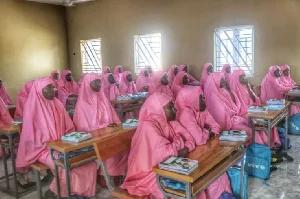
The Higher Islamic College in Baga, a key educational institution in northeastern Nigeria’s Borno State, has been forced to shut down following a surge in violence attributed to the Boko Haram insurgent group. The closure marks a significant setback for the local community, as the institution has historically served as a critical hub for education in the Lake Chad region. The decision to halt operations comes amid heightening security concerns that have made it increasingly impossible to maintain a safe learning environment for both staff and students.
The impact of the closure is substantial, with the education of thousands of children now hanging in the balance. As an institution catering to a large demographic in Baga, the suspension of classes adds to the growing number of out-of-school children in a region already grappling with the long-term effects of insurgency. This development underscores the persistent threat posed by militants to civilian infrastructure, specifically targeting educational facilities which have frequently been at the center of the conflict in Borno State.
This specific event reflects a much broader regional crisis that has plagued northeastern Nigeria for over a decade. Years of sustained conflict have led to significant displacement, forcing many families to flee their homes and abandon stable schooling for the uncertainty of internal displacement. The disruption of academic activities at the Higher Islamic College is representative of the wider struggle to preserve the educational system under the weight of ongoing violence, which has seen numerous schools across the state forced to cease operations.
As the security situation remains volatile, the future of the students at the Higher Islamic College remains uncertain. The broader educational landscape in Borno continues to face challenges as authorities and international organizations work to mitigate the effects of the displacement crisis. For now, the closure in Baga stands as a stark reminder of the high cost of conflict on the region’s youth and the difficult path toward restoring normalcy in Nigeria’s educational sector.
