••
Health Ministry to Integrate Scientifically Validated Traditional Medicine into Ghana’s National Healthcare Framework
•2 min read•1 source
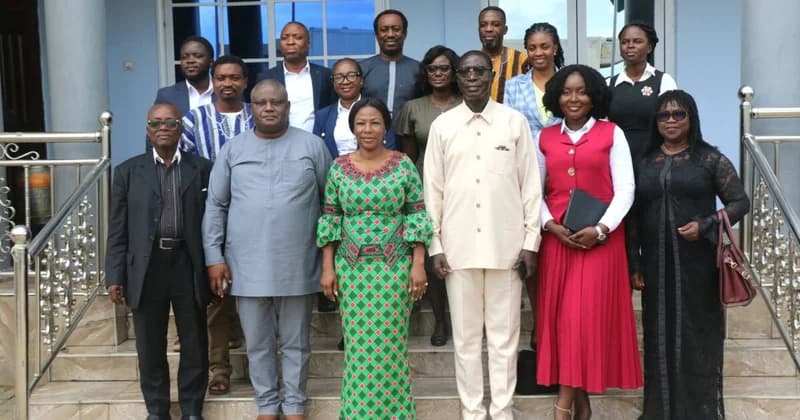
The Deputy Minister for Health, Prof. Dr. Grace Ayensu-Danquah, has signaled a significant shift in Ghana’s medical landscape by advocating for the formal integration of scientifically validated traditional medicine into the national healthcare system. During an official visit to the Centre of Awareness (COA) Research and Manufacturing Company, the Deputy Minister emphasized that traditional medicine, when backed by rigorous research and proper regulation, has the potential to drastically improve healthcare access and quality across the country. This move aligns with the government’s broader strategy to enhance the Free Primary Healthcare program, ensuring that Ghanaians have access to a diverse range of safe and effective treatment options at the primary level. The government’s vision is partly inspired by successful international models, such as that of China, where traditional and conventional medicines are blended to provide comprehensive care. Prof. Ayensu-Danquah noted that this hybrid approach is particularly promising for managing non-communicable diseases (NCDs), which continue to place a heavy burden on Ghana's medical infrastructure. By leveraging the strengths of both sectors, the Ministry of Health aims to create a more resilient and inclusive system. The Deputy Minister underscored that the transition depends heavily on collaboration between traditional practitioners, modern researchers, and government regulatory bodies to ensure that all treatments meet international safety and efficacy standards. Supporting these initiatives, the CEO of COA Manufacturing, Prof. Samuel Ato Duncan, highlighted the critical role of continuous innovation and research. He revealed that ongoing studies into traditional products are showing promise for treating complex conditions such as cancer, further validating the need for state support and integration. Prof. Duncan expressed readiness to collaborate with the government to complement national health initiatives. Moving forward, the Ministry of Health plans to strengthen quality assurance frameworks and regulatory oversight, ensuring that the integration of traditional medicine contributes to better health outcomes and a more holistic approach to patient care in Ghana.

