••
Aviation sector manages 32 coordinated bomb threat hoaxes
•2 min read•1 source
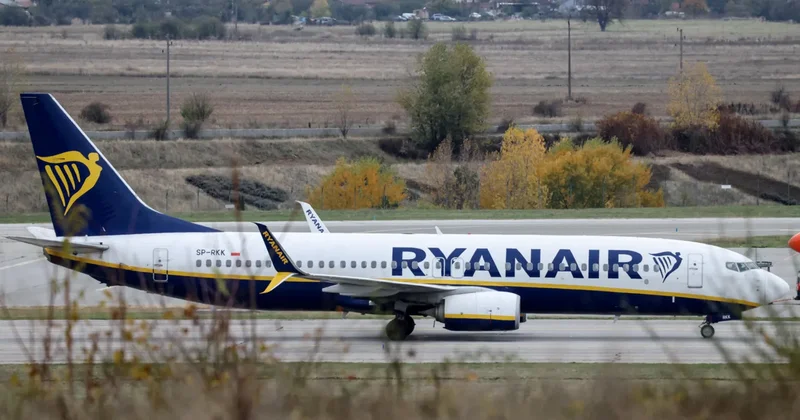
The aviation industry has been placed on high alert following a series of 32 bomb threats targeting various airlines over a span of just four days. Although every threat was ultimately determined to be a hoax, the scale and frequency of the incidents forced aviation authorities and security agencies to implement rigorous emergency protocols across several jurisdictions. These measures included the rerouting of flights, mid-air inspections, and the deployment of military escorts to ensure the safety of passengers and crew during the height of the disruptions.
Security experts have expressed deep concern over the nature of these incidents, suggesting that the volume and timing of the threats point toward a highly coordinated effort rather than isolated pranks. Some analysts have characterized the wave of hoaxes as a form of hybrid warfare, specifically designed to stress national security systems and test the responsiveness of emergency services. By flooding the sector with false alarms, perpetrators can exhaust critical resources and potentially create or identify vulnerabilities within the global aviation security framework.
Despite the relatively small number of passengers directly affected by individual flight disruptions, the broader implications for the airline industry are significant as carriers struggle to maintain safety without succumbing to operational exhaustion. Authorities have warned that false reporting of such threats carries severe legal repercussions for those found responsible. As airlines and security agencies continue to refine their response strategies, the focus remains on maintaining a balance between ensuring absolute passenger safety and minimizing the systemic chaos intended by such coordinated disinformation campaigns.