••
Austin and Catherine Mardon advocate for mental health and early intervention
•2 min read•2 sources
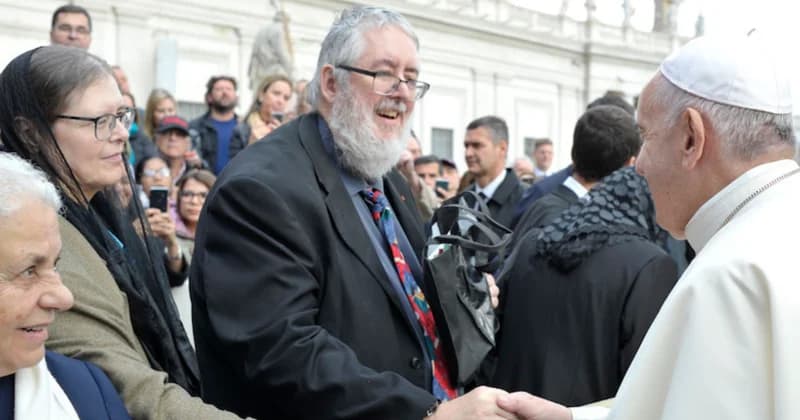
Austin and Catherine Mardon, a couple who have navigated personal challenges with schizophrenia and post-traumatic stress disorder (PTSD), are championing mental health awareness and the dignity of vulnerable individuals. Combining their expertise in science and law with their lived experiences, the Mardons have dedicated their lives to advocacy and the care of children with Fetal Alcohol Syndrome (FAS). Their journey, which they describe as two "half-wounded" people creating a stronger whole, emphasizes the power of resilience, faith, and open communication in overcoming systemic and personal hurdles.
Austin Mardon, a scientist and professor at the University of Alberta who lives with schizophrenia, and Catherine Mardon, a former lawyer and social justice advocate who developed PTSD after surviving a violent attack, have co-authored several books to educate the public. Their work extends beyond literature into the practical realm of foster care, where they have provided a home for numerous children and young adults living with FAS. By sharing their own stories, the couple aims to dismantle the misconception that mental illness is a character flaw, instead framing it as a condition requiring compassion and specialized support.
A central pillar of the Mardons’ advocacy is the urgent need for early intervention for children diagnosed with FAS. Austin Mardon highlights that timely support can significantly alter the trajectory of a child's life, while Catherine Mardon calls for greater community attention to young adults who age out of the foster care system without adequate safety nets. They argue that the transition to adulthood is particularly precarious for those with mental health challenges, requiring sustained intervention rather than abrupt termination of services.
The couple’s commitment to service is deeply rooted in their Catholic faith, which they view as a catalyst for action. In recognition of their extensive disability rights and mental health work, they were inducted into the Pontifical Order of Pope Saint Sylvester in 2017 and had the opportunity to meet Pope Francis in 2023. Their message to the global community remains clear: addressing mental health requires a blend of spiritual support and concrete societal change to ensure every individual is treated with the dignity they deserve.