••
Auditor-General Graham Vows Stricter Financial Oversight as CSOs and Religious Leaders Call for Deep Constitutional Reforms
•3 min read•25 sources
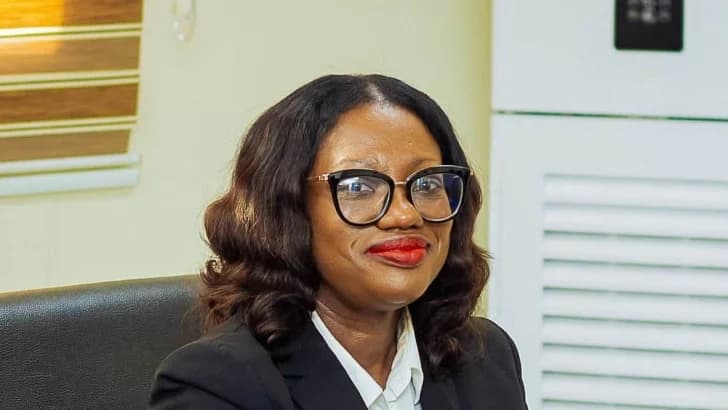
Ghana is entering a critical phase of institutional self-correction as the Auditor-General, civil society organizations (CSOs), and religious leaders converge on a shared agenda for transparency and accountability. Auditor-General Dr. Pamela Graham has officially launched the 2026 financial year audit, pledging to aggressively exercise her constitutional powers of disallowance and surcharge to recover public funds. Simultaneously, a coalition of advocates including the Ghana Centre for Democratic Development (CDD-Ghana) is demanding a permanent legal framework to protect ongoing constitutional reforms from partisan interference, ensuring that the evolution of Ghana’s governance remains a national priority regardless of which administration is in power.
At the heart of the accountability drive is the introduction of an internal online tracker for audit recommendations, set to launch in October 2026. Dr. Graham highlighted that approximately GH₵280.5 million in surcharges remains unpaid, contributing to a staggering GH₵100 billion lost through financial irregularities over the last six years. To combat this, experts like Professor Francis Dodoo and Dr. David Ofosu-Dorte are urging the Audit Service to adopt modernized, AI-driven systems and harsher punitive measures to deter future misappropriation. This technological shift is intended to transform audit reports from retrospective statements into active tools for corrective action and the restoration of public trust.
Parallel to financial oversight, the Christian Council of Ghana (CCG) and CDD-Ghana are advocating for structural limits on executive power. The CCG has specifically called for a reduction in presidential appointing powers to ensure the independence of bodies like the Electoral Commission and the Auditor-General. Both religious and civic groups have voiced strong opposition to proposals extending presidential terms from four to five years, arguing that the current duration is sufficient for effective governance. To prevent the failures of past review attempts, CDD-Ghana’s Professor Henry Kwesi Prempeh is calling for a "Constitutional Reform Implementation and Roadmap Act," which would mandate that future governments continue unfinished reforms instead of letting them lapse.
The push for integrity further extends to the judiciary and public sector management. Investigative journalist Manasseh Azure Awuni and traditional leaders such as Togbe Afede XIV have urged the judiciary to expedite corruption trials, warning that legal loopholes must not be used to stall justice for those accused of public theft. In the realm of public service, Dr. Abdul-Rashid Pelpuo has proposed the creation of an independent commission to oversee public sector remuneration. This body would function similarly to the Public Utilities Regulatory Commission, establishing a unified and transparent salary framework to address pay disparities and improve conditions for workers under the Single Spine Salary Structure.

