••
Cassiel Ato Forson warns of social crisis from youth unemployment
•2 min read•1 source
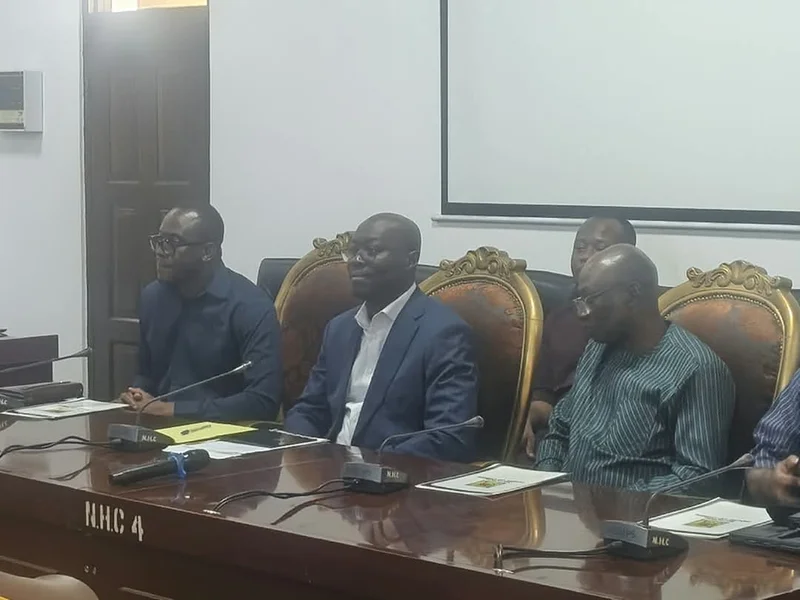
Minister for Finance Dr. Cassiel Ato Forson has issued a stark warning regarding the potential for an "explosive social crisis" driven by Ghana's rising youth unemployment. Addressing the urgent need for a shift in national economic policy, the Minister stated that the current rate of young individuals entering the labour market without corresponding job opportunities is unsustainable. He emphasized that without proactive measures to create a more inclusive economy, the country risks significant social instability.
The Minister called for a fundamental transformation of the Ghanaian economy, pivoting toward industrialisation as the primary engine for job creation. Dr. Forson noted that the government’s focus must remain on building an environment that fosters sustainable employment rather than short-term fixes. This industrial shift is intended to absorb the growing number of graduates and skilled workers who currently find themselves sidelined from the formal economy, thereby improving general living standards across the country.
In his address, Dr. Forson underscored the importance of collaboration between the central government, traditional leaders, and private sector stakeholders. He argued that the task of economic restructuring cannot be achieved by the state alone but requires a concerted effort from all segments of society to lay a durable foundation for growth. This collective responsibility is particularly significant as Ghana looks toward its 70th independence anniversary in 2027, a milestone he suggests should be marked by visible economic progress.
Looking ahead, the Finance Minister urged that the focus for the coming years must be on ensuring that economic growth translates into meaningful livelihoods for the youth. By prioritizing sectors that offer high employment elasticity, such as manufacturing and value-added agriculture, the government aims to mitigate the risks associated with a frustrated and idle workforce. The Minister concluded that the path to 2027 must be defined by a commitment to industrialisation that prioritizes the dignity and economic security of Ghana’s younger generation.


