••
Cassiel Ato Forson calls for structural economic transformation
•2 min read•3 sources
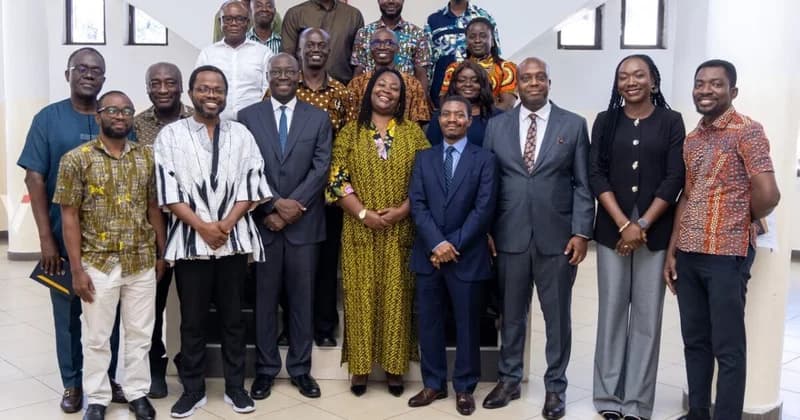
Finance Minister Dr. Cassiel Ato Forson has called for a fundamental shift in Ghana’s economic strategy, urging the nation to break away from longstanding patterns and prioritize structural transformation. Speaking at a ‘New Economy’ engagement at the University of Ghana, the Minister emphasized that while recent government efforts have successfully stabilized the present economy, the focus must now pivot toward securing long-term prosperity through value addition and industrial growth.
Dr. Forson argued that managing the symptoms of economic challenges is no longer sufficient. Instead, he advocated for a holistic approach that addresses root causes, focusing specifically on enhancing local production and increasing the value added to Ghana's exports. He noted that the country’s future depends on a departure from traditional models that have historically left the economy vulnerable. According to the Minister, this shift is essential to ensure that economic growth translates into tangible benefits for the citizenry.
A central pillar of the proposed ‘New Economy’ agenda is a rigorous commitment to value for money in public spending. Dr. Forson stressed that the future of Ghana's youth is ‘too important for waste,’ insisting that every investment must be evaluated against its capacity to create jobs and improve living conditions. He introduced five critical questions designed to assess the viability and impact of any state investment, ensuring that resources are channeled into areas that bolster local businesses and provide sustainable employment opportunities.
Concluding his address, the Finance Minister highlighted that economic transformation requires a collective national effort that extends beyond government initiatives. He called on stakeholders, including the private sector and academic institutions, to align with the new strategic direction to foster a more resilient economy. By focusing on structural changes now, Dr. Forson maintains that Ghana can build a robust foundation for future generations, moving past mere stabilization toward a phase of sustained industrial and social development.


