••
Cassiel Ato Forson announces GH‵28.8bn buyback of DDEP bonds
•2 min read•2 sources
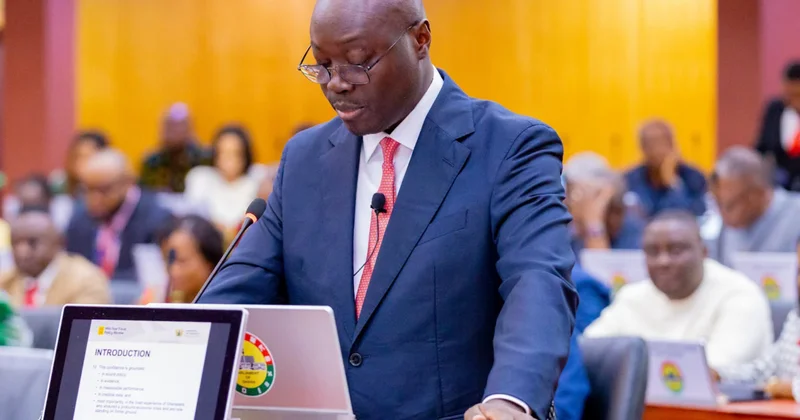
Finance Minister Dr. Cassiel Ato Forson has announced a voluntary buyback offer for up to GH₵28.8 billion worth of bonds issued under the Domestic Debt Exchange Programme (DDEP). The bonds, which were originally scheduled to mature in February 2027, will be repurchased early as part of the government’s strategic effort to manage domestic debt obligations and provide liquidity to investors. This initiative is specifically aimed at bolstering confidence in the financial system by ensuring that bondholders, including pensioners and workers, receive their funds ahead of schedule.
The repurchase process is structured as a voluntary offer that will open on November 23 and close on November 25, 2026, with settlement fixed for November 26. This timeline allows holders to access their principal and interest payments approximately three months before the bonds' official maturity date. The government will utilize a Dutch auction method for the buyback, with major financial institutions including Absa and Standard Chartered Bank expected to facilitate the transaction. Dr. Forson emphasized that the total payment, covering both principal and interest, amounts to nearly GH₵29 billion.
This move marks a significant milestone in Ghana's debt management strategy following the launch of the DDEP in December 2022. By accelerating these payments, the Mahama administration seeks to alleviate the financial difficulties faced by investors whose capital was restructured during the height of the debt crisis. Dr. Forson reassured the public that future debt obligations would be met in full and on time, stating that the government is committed to ensuring the country does not default on its obligations again.
The buyback is expected to provide a much-needed boost to the domestic economy by releasing significant capital back into the hands of the private sector and individual households. As the government continues to navigate the post-restructuring economic landscape, the successful execution of this GH₵28.8 billion repurchase will serve as a key indicator of Ghana’s fiscal recovery and its renewed ability to manage large-scale domestic debt maturities effectively.
