••
Cassiel Ato Forson defends GH₵389.2bn expenditure in 2027 Budget
•3 min read•8 sources
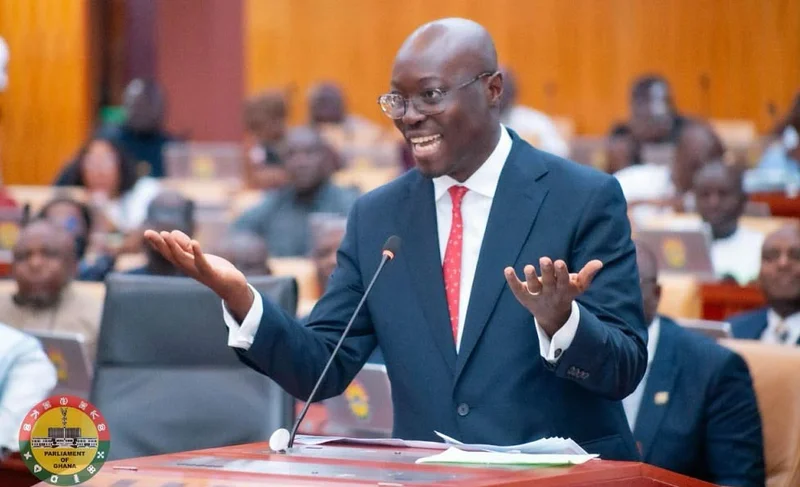
Finance Minister Dr. Cassiel Ato Forson has defended the government’s 2027 Budget, which proposes a total expenditure of GH₵389.2 billion aimed at pivoting Ghana from macroeconomic stability toward industrial production and job creation. Presented to Parliament on November 12, 2026, the budget outlines a significant shift in fiscal policy, including a capital expenditure increase to GH₵122.7 billion, or 6.8% of GDP. Dr. Forson emphasized that for every cedi spent on interest payments, the government intends to allocate GH₵1.65 toward productive investments, signaling a departure from debt-heavy cycles of the past.
Central to this economic strategy is a $10 billion "New Economy" programme designed to stimulate growth across multiple sectors. A significant portion of this initiative includes the "Big Push" agenda, which allocates GH₵28 billion for national infrastructure improvements in roads, rail, and housing. Deputy Finance Minister Thomas Ampem Nyarko noted that the 2027 Budget builds on a foundation of 6.2% GDP growth achieved in early 2026 and robust international reserves of $12.1 billion, with the primary objective being the conversion of these indicators into tangible household prosperity.
The budget also places a heavy emphasis on agribusiness, specifically through the support of youth-led enterprises and established companies like Ekumfi Fruits & Juices Limited. To address persistent raw material shortages, the government is introducing contract farming and pineapple outgrower models to boost local supply chains. While these initiatives are projected to create over 20,000 jobs, the Peasant Farmers Association of Ghana (PFAG) has urged for the timely release of the GH₵3 billion earmarked for agriculture, stressing that infrastructure must be improved to effectively integrate smallholder farmers into these large-scale industrial plans.
Economic experts and political observers have offered a mix of praise and caution regarding the ambitious spending plans. Madam Joyce Larbie of the Convention People’s Party (CPP) commended the growth-oriented focus but warned that the budget’s success hinges on rigorous implementation and fiscal sustainability. Meanwhile, economist Dr. Daniel Amateye Anim-Prempeh suggested that the government should explore diplomatic and alternative financing methods for the "Big Push" infrastructure programme to avoid the high costs associated with external commercial loans.
In response to criticism regarding the scale of government spending, Dr. Forson maintained that the current strategy is necessary to stabilize the economy and meet financial obligations without triggering another crisis. He acknowledged that while the immediate benefits of large-scale public investment might not yet be fully felt by the public, the 2027 Budget is a calculated effort to build a sustainable, production-led economy. The government now faces the challenge of managing these new investments alongside inherited debt obligations as it moves toward its long-term development targets.
graphic.com.gh
PrimarybusinessGH¢3bn agric allocation: Experts demand infrastructure, timely funding
gna.org.gh
businessEconomist proposes diplomatic financing for Big Push agenda
gna.org.gh
businessCPP stalwart commends 2027 Budget, cautions on delivery
ghanaweb.com
business'I'm spending but people don't appreciate it' - Dr Ato Forson
myjoyonline.com
businessWholesalers, distributors and retailers excited about 2027 budget as Ekumfi Juice shortages could become a thing of the past
myjoyonline.com
businessAchievements of ‘New Economy’ must be measured by sustained improvements in economic growth, employment and productivity – Dr. Nsafoah
classfmonline.com
business2027 budget will turn economic stability into jobs and prosperity - Dep. Finance Minister says
myjoyonline.com
businessGhana's 2027 Budget: From macroeconomic stability to prioritising public investment
Live rates
Dollar to cedi rate →
