••
Dr. Cassiel Ato Forson announces $1bn investment in tourism and arts
•2 min read•1 source
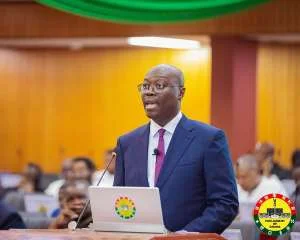
Finance Minister Dr. Cassiel Ato Forson has announced a US$1 billion investment in Ghana’s tourism, culture, and creative arts sectors as part of the government’s four-year New Economy Programme. Unveiled during the 2027 Budget Statement presentation, the initiative represents a significant strategic commitment to diversifying the national economy. The primary goal of this investment is to transition Ghana into a year-round travel destination, reducing the reliance on seasonal peaks and creating a more stable flow of international visitors. The investment is designed to generate substantial foreign exchange and stimulate job creation across the entire hospitality value chain. Dr. Forson emphasized that Ghana’s rich cultural heritage and historical landmarks are the foundational pillars of this transformation. By investing heavily in these assets, the government aims to empower a wide range of stakeholders, including local artists, cultural practitioners, and small-scale entrepreneurs, ensuring that the economic benefits of tourism are felt throughout the country. In addition to infrastructure and site development, the funding will support the creative arts sector to enhance its global competitiveness. This holistic approach is expected to benefit various industries, including agriculture and transport, which are integral to the tourism ecosystem. By fostering sustainable employment and promoting cultural preservation, the government seeks to build a resilient sector that can withstand global economic shifts while showcasing Ghana’s unique identity to the world. Looking forward, the New Economy Programme aims to secure Ghana’s position as a leading cultural hub in West Africa. The government anticipates that the $1 billion injection will trigger further private sector investment, leading to modernised facilities and improved services. As the programme progresses over the next four years, the focus will remain on ensuring that the growth of the tourism and creative arts sectors translates into tangible improvements in the livelihoods of Ghanaians.
Live rates
Dollar to cedi rate →
