••
Asokore Mampong residents demand urgent drainage upgrades
•2 min read•1 source
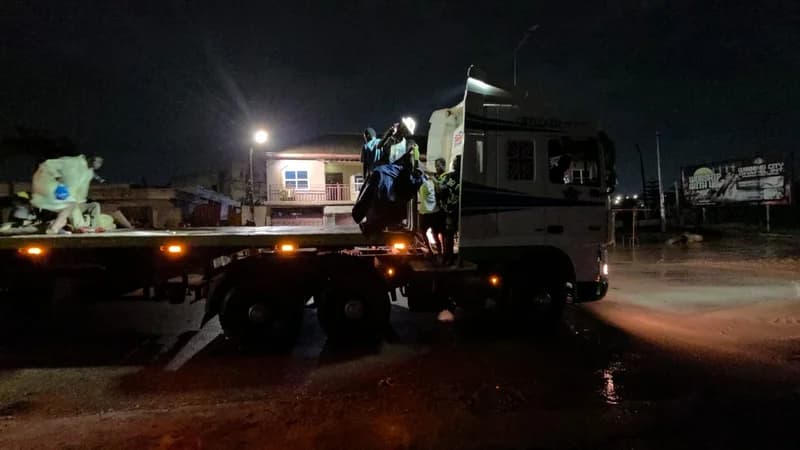
Residents of the Asokore Mampong Municipality are calling on local authorities to initiate immediate repairs and maintenance on the area's failing drainage and road infrastructure. This appeal comes in the wake of heavy rainfall that resulted in severe flooding, causing significant distress to the community. The residents emphasize that the current state of the infrastructure is no longer capable of managing the volumes of water experienced during downpours, leading to persistent disruptions in daily travel and economic activity.
The flooding has particularly affected key transit points, including the Aboabo drainage system and the bridge at Asabi. These locations serve as vital links for commuters, but recent storms have rendered them nearly impassable. According to local reports, the primary drivers of the flooding include heavily silted drains and the presence of narrow bridges that create bottlenecks for runoff. Furthermore, the indiscriminate disposal of solid waste into gutters has exacerbated the problem, preventing the free flow of water and forcing it onto the roads and into residential areas.
Community members are demanding a multi-pronged approach from the Municipal Assembly to resolve the crisis. They are specifically calling for the desilting of existing drains to restore their capacity and the widening of narrow bridges to accommodate larger volumes of water. Beyond physical infrastructure upgrades, residents are also urging authorities to curb illegal waste disposal. The community maintains that without these interventions, every significant rainfall will continue to pose a threat to property and public safety.
The situation in Asokore Mampong highlights a broader challenge facing urban infrastructure, where maintenance often struggles to keep pace with environmental demands. As residents await a formal response from the local assembly, the urgency of their plea reflects growing frustration over recurring flood-related damages. Local leaders are expected to assess the affected sites to determine if emergency funding can be allocated to address these critical infrastructure deficits before the next heavy rains.
