••
Ashaiman Municipal Assembly inaugurates 10 boreholes for local schools
•2 min read•1 source
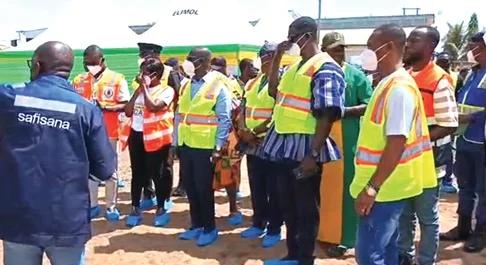
The Ashaiman Municipal Assembly (ASHMA) has inaugurated 10 new boreholes to enhance water access for local schools, marking a significant step in the municipality's efforts to improve public health and hygiene. Speaking during a stakeholder engagement session held at Safisana’s waste treatment facility on November 11, 2026, Municipal Chief Executive (MCE) Freeman Tsekpo emphasized that providing reliable water sources is fundamental to maintaining sanitary conditions within educational institutions.
During the event, which served as a precursor to World Toilet Day on November 19, Mr. Tsekpo urged a strategic shift in the assembly’s approach to sanitation. He highlighted that despite significant investments in public toilet facilities, open defecation remains a persistent challenge in Ashaiman. The MCE called for increased public-private partnerships (PPPs) to facilitate the construction of affordable household toilets, arguing that personal access to sanitation is more effective than a reliance on communal facilities in changing public behavior and ending open defecation.
The engagement also spotlighted the sustainable waste management practices employed by Safisana, a private partner that converts organic waste into renewable energy and high-quality fertilizer. The facility currently serves over 65,000 residents annually, demonstrating a viable model for circular economy solutions to urban waste problems. By integrating borehole provision with waste-to-energy initiatives, the assembly aims to create a more resilient urban environment that promotes both environmental sustainability and public health.
Concluding the session, the MCE reaffirmed the government’s commitment to collaborating with the private sector to address infrastructure gaps. He noted that the new boreholes and the push for household-level sanitation are part of a broader strategy to ensure that Ashaiman meets national health standards. Moving forward, the assembly plans to intensify its monitoring of sanitation projects and encourage more local businesses to invest in waste management technologies that benefit the community.

