••
Ashaiman MCE Freeman Tsekpo Urges Ministry of Works and Housing to Reconstruct Gbemi Storm Drain
•2 min read•1 source
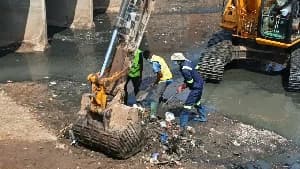
The Municipal Chief Executive (MCE) of Ashaiman, Freeman Tsekpo, has formally appealed to the Ministry of Works and Housing for the urgent reconstruction and modernization of the Gbemi Storm Drain. This call comes as the municipality continues to grapple with persistent flooding issues that threaten residents and property during the rainy season. Tsekpo emphasized that the current infrastructure is no longer fit for purpose, requiring a shift from temporary maintenance to a permanent engineering solution. Addressing the limitations of existing interventions, MCE Tsekpo pointed out that the annual desilting exercises conducted on the drain are insufficient to manage the volume of water the area receives. While desilting provides temporary relief by removing debris and silt, it does not address the fundamental structural inadequacies of the drain. The MCE noted that the Gbemi Storm Drain, which is currently under the management of the Hydrological Services Department, has become outdated and lacks the capacity to effectively channel stormwater through the rapidly growing urban landscape of Ashaiman. Furthermore, the proposed upgrade involves transforming the Gbemi Storm Drain into a modern, high-capacity drainage system. Reconstruction would involve widening and deepening the channel to ensure it can withstand heavy downpours without overflowing into neighboring communities. Tsekpo’s appeal highlights a growing concern among local leaders that aging infrastructure is failing to keep pace with urbanization and changing weather patterns. By modernizing this specific artery of the municipality's drainage network, the local government aims to provide a long-term safeguard against the cyclical damage caused by floods. Ultimately, the success of this appeal now rests with the Ministry of Works and Housing and the Hydrological Services Department. A positive response would not only alleviate the economic burden of annual desilting costs but also enhance the overall resilience of Ashaiman's infrastructure. As Ghana faces increasingly unpredictable weather, the call for modern storm drains underscores a broader national need for sustainable urban planning and robust hydraulic engineering to protect vulnerable urban populations.
